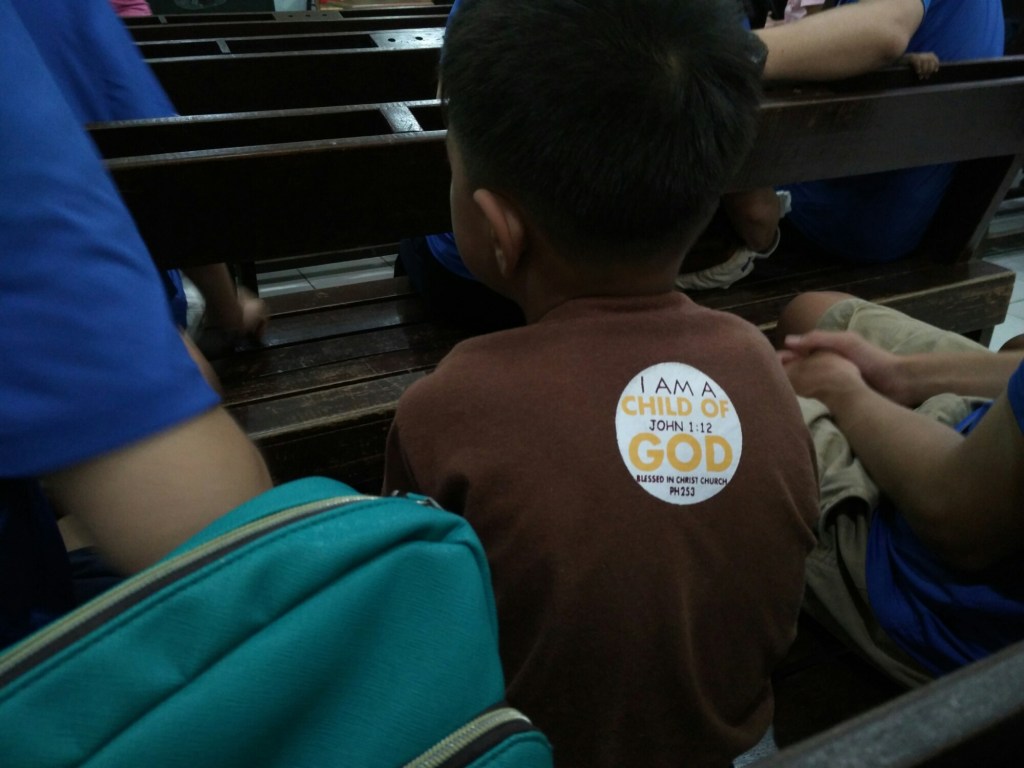
In June 2016, as the Gyeonggi Creative Economy Innovation Center was preparing for an organizational restructuring, the team atmosphere was a bit chaotic since job extensions had not been finalized two weeks before the employment contract expiration date. That’s when I decided without hesitation to visit the Philippines through Compassion, an international child sponsorship organization, when the opportunity arose. Korean Compassion and LifeSpring Church were jointly supporting Filipino children, and this was an opportunity to meet the sponsored children directly through a group visit called a “Vision Trip.” In fact, I had been sponsoring children through another nonprofit organization in the United States, but all the children had graduated, and I was looking for a new place to sponsor, so the timing was perfect. However, a few days later, my position was extended for another year, and coincidentally, the first day of the contract renewal overlapped with the Vision Trip dates, leaving me no choice but to take leave to attend. It was the first day after the contract renewal, so I felt a bit self-conscious, and it was also a busy time at work, but I ultimately decided to take the leave and go.
When I think of the Philippines, the first places that come to mind are Manila, where I went on my honeymoon, and the luxurious resort island of El Nido. However, this time, I saw another side of the Philippines in the city of Caloocan, just 20 kilometers north of Manila, at the Compassion office. The contrast between the morning I spent at the hotel where I was staying and the afternoon I spent traveling by bus was so striking that it felt like I had stepped into a time machine and traveled back to the past, reminiscent of when I entered the Palestinian territories behind Israel’s separation wall. The area was virtually devoid of foreign tourists or visitors. We first visited the United Faith Church of Christ, one of the churches in the region providing Compassion’s child survival program. Thanks to this support program, young mothers with young children were able to survive, and their children gained the opportunity to receive one-on-one sponsorship. After enjoying a welcome event and delicious meal prepared by the church for our visiting group, we met the children sponsored by Compassion and were guided to visit their homes on three-wheeled motorcycles.
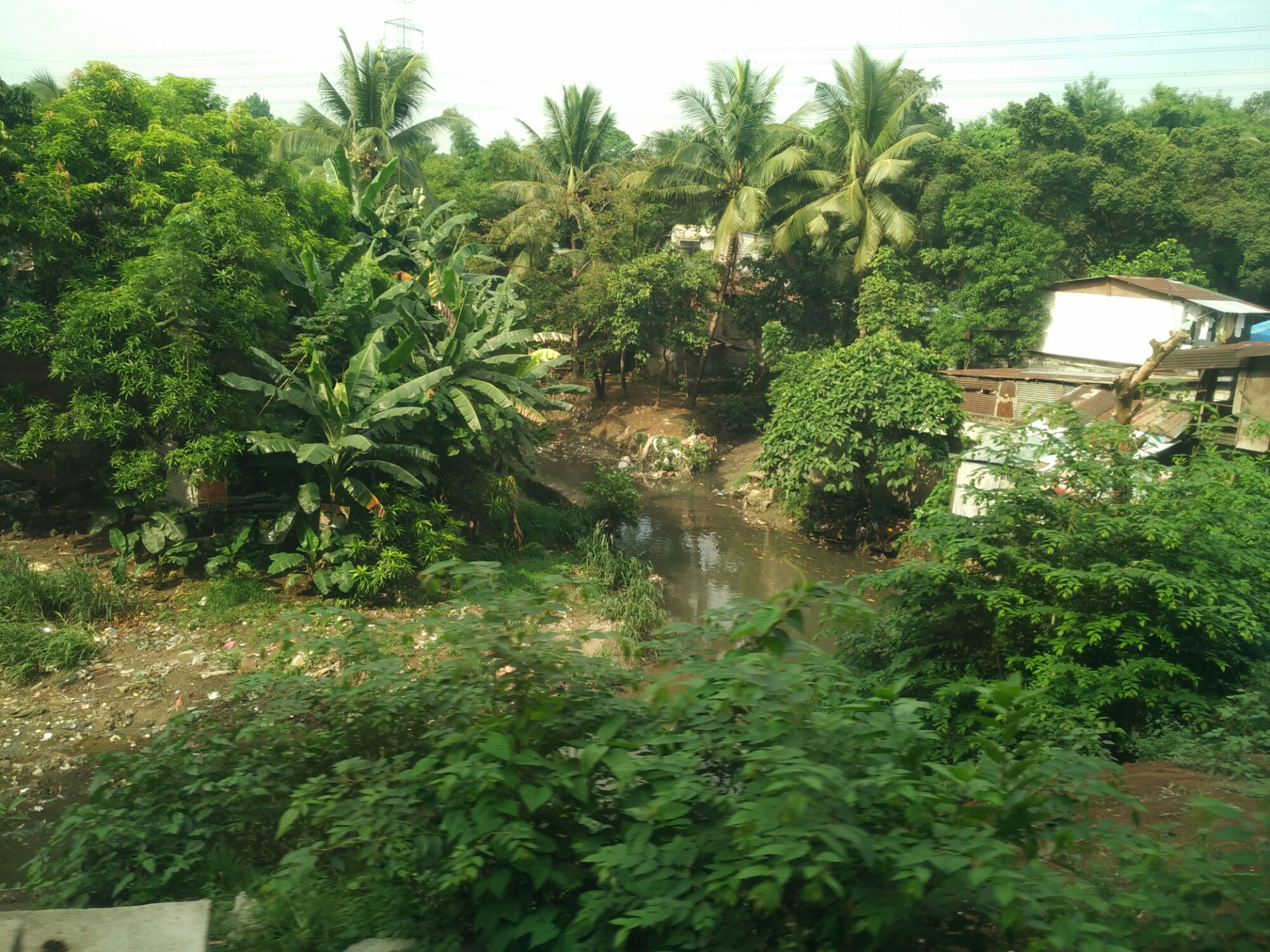
One of the homes I visited was occupied by five families who had no indoor bathroom and had to use a shared toilet outside the house. They also shared electricity with their relatives. What was most heartbreaking was that they lived right next to a river that overflowed during heavy rains. One staff member mentioned that during a super typhoon in the Philippines a few years ago, the entire house was submerged up to chest level and swept away. Even on a regular day, the river was filled with garbage and a foul odor. Visiting these families raising young children in such conditions reminded me of the poor riverside villages I saw in Indonesia during my childhood when my father was stationed overseas, and I couldn’t believe such places still existed. Just an hour earlier, I had been drinking coffee at a Starbucks in the heart of Manila, and seeing the living conditions in this slum made me acutely aware of the stark disparity between the wealthy and the poor. Hearing that the high unemployment rate in the area leads to alcoholism, drug abuse, and child abuse, and that the average age of pregnancy for local young women is 15, was deeply shocking.
During the evening briefing, the Compassion leader posed the question, “What is poverty?” and answered it from Compassion’s four-fold approach to addressing poverty: intellectual, social-emotional, physical, and spiritual poverty. Poverty can be explained as a disconnect in any of these four areas, and people feel poor if they lack even one of them. The Filipino families we visited were lacking in all four areas, but by connecting their children to the local church, they were slowly recovering from poverty. The local church served as a vital link to the community, helping the children survive by providing vaccinations, proper nutrition, and protection from external threats. This connection was slowly transforming their families and the village community, as we came to understand that when children are happy, families are happy, and ultimately, the entire community becomes happier.
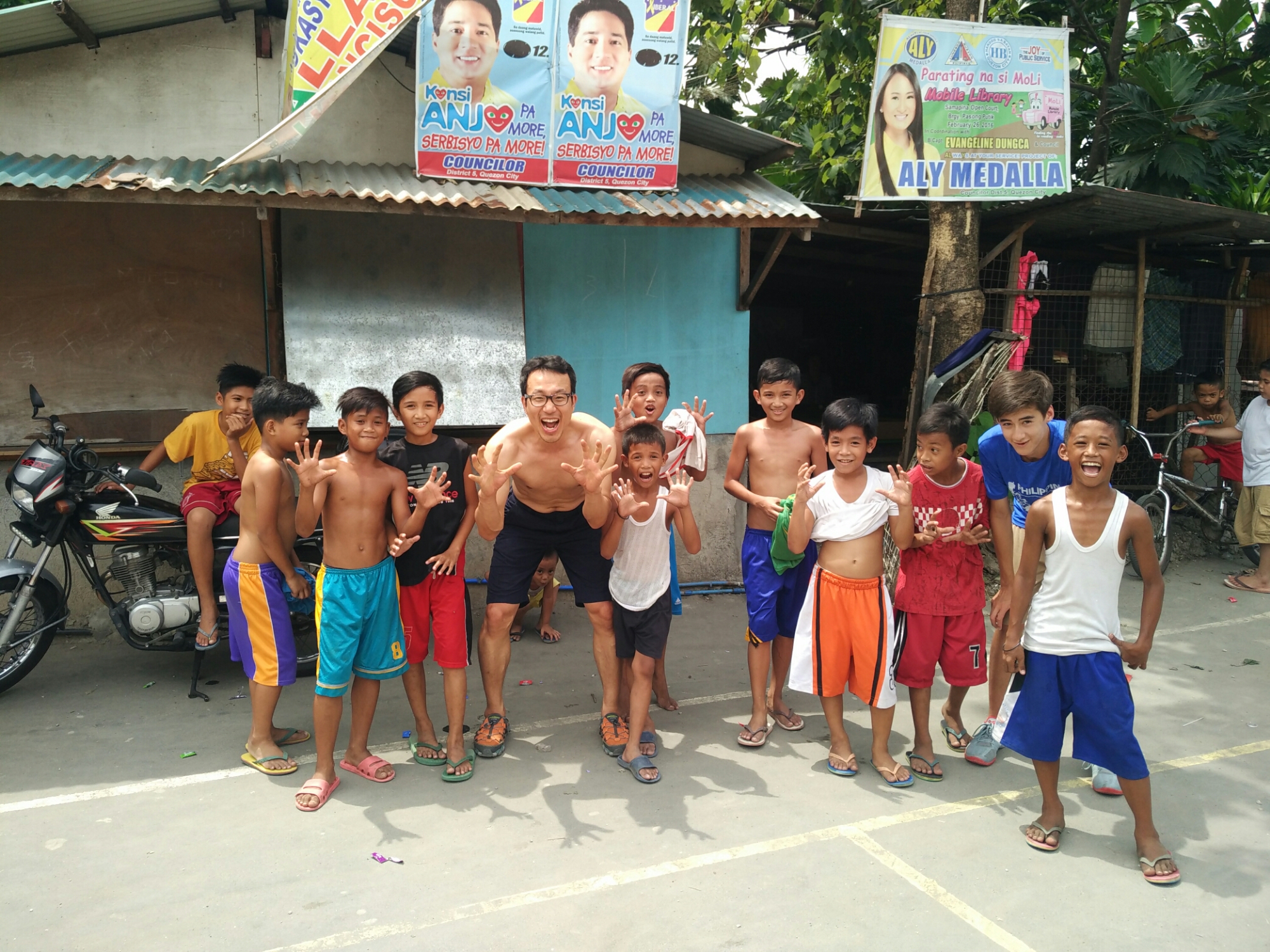
When I visited the home of a child named Winnie, I witnessed such changes in the village. Winnie was one of the few children in the village supported by Compassion, and our group’s visit seemed to be a joyful event that made the village a little lively. I learned that Winnie’s younger brother, Warren, loved playing basketball, so I played basketball with him and his friends on the full court. At first, we started with five players on each team, but more children joined in as the game progressed. Despite the heat, we played for about an hour, but the children kept urging us to play “just one more game.” Because Winnie had a connection with Compassion, the other children had the opportunity to spend time with rare external visitors, and inspired by Winnie, they began to imagine the happiness of receiving Compassion sponsorship themselves.
The second question was, “What is the best and worst way to solve poverty?” The best way to solve poverty is to take small steps when given the opportunity to do anything, and the worst way is to just talk about it. I felt very proud when the Compassion leader introduced that more than 100 members of the entire LifeSpring Church were sponsoring children in Manila through Compassion. After the vision trip, my husband and I decided to sponsor a child, and we deliberately chose a child whose sponsorship had been interrupted so that we could support them until they graduated. According to the local staff, children whose sponsorship is interrupted often suffer deep emotional wounds. Additionally, through the vision trip, I began to think about how to create a business that benefits the local community. Rather than simply starting a company to hire local residents, I became interested in helping them start their own businesses. I realized that teaching them how to fish, rather than just giving them fish, would enable them to become self-reliant in the long run.
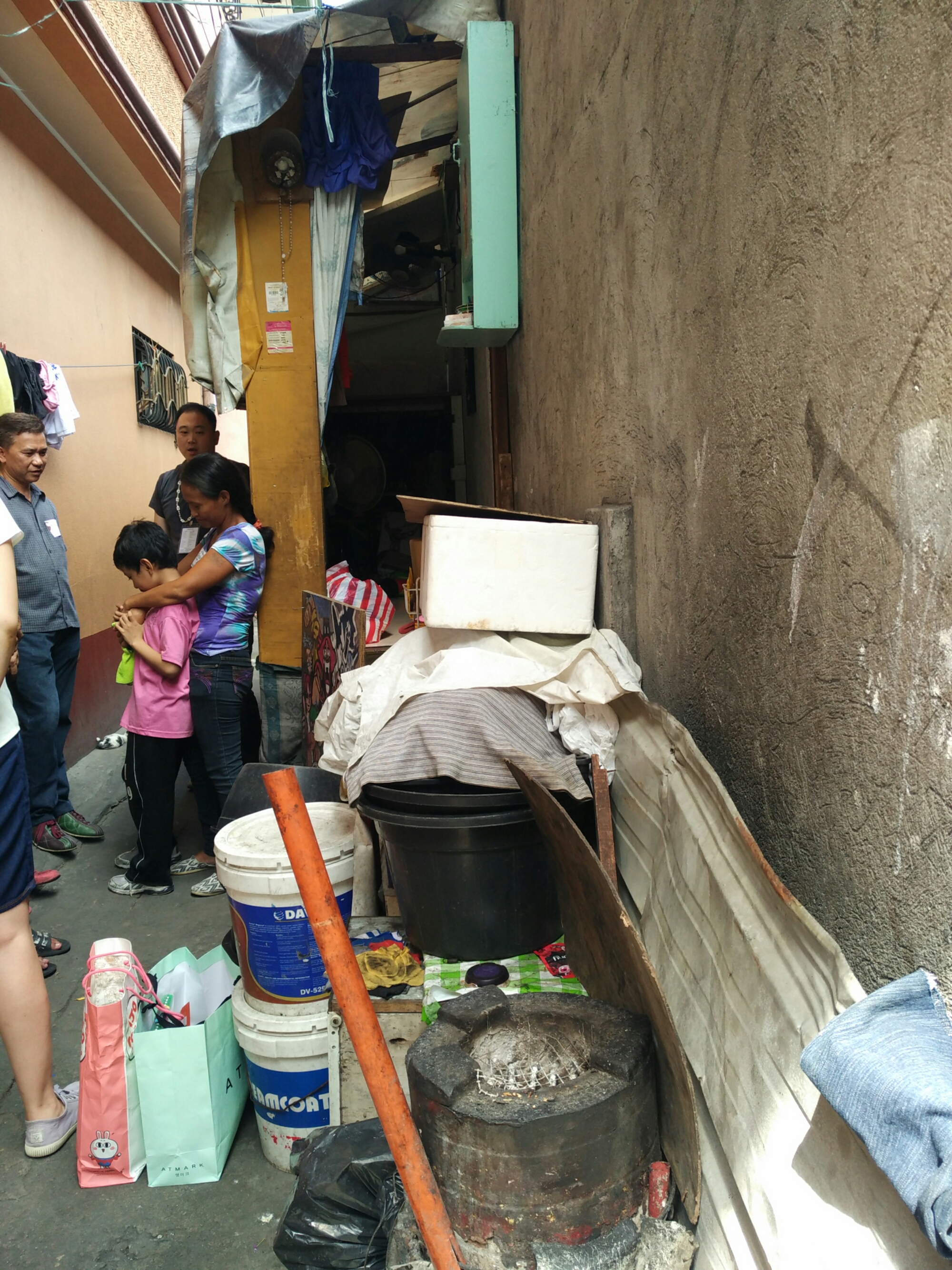
As the last stop on our itinerary, we visited the home of a boy named Johny who attends Central Gospel Church. When the local pastor who was guiding us pointed out Johny’s house, we were puzzled because we couldn’t see any house. It turned out to be a makeshift shack tucked between a gas station and a large mansion. In fact, it was an illegal structure barely suitable as a house, just enough to shelter from the rain. On rainy days, water would flow down the walls, soaking the inside, which was heartbreaking. It was hard to believe that a family of four lived there. It was heartbreaking to hear that the children went to their relatives’ house in the neighborhood to sleep at night. Seeing that family living on the streets, I didn’t know what to say. Johnny’s parents worked at the gas station, and when there was no work, his father drew pictures to sell on the street to make ends meet. His talent caught the eye of the Compassion Leader and mine. One of his paintings, a famous anime poster of One Piece, was a canvas painting framed in wood. I was considering buying it, but the Compassion Leader offered to purchase it first. Johnny’s father asked for about 5 dollars (200 pesos), and we gladly bought the painting. Later, the Compassion Leader explained that buying the painting at the price Johnny desired was the right thing to do, and that otherwise it would have been a donation motivated by pity.
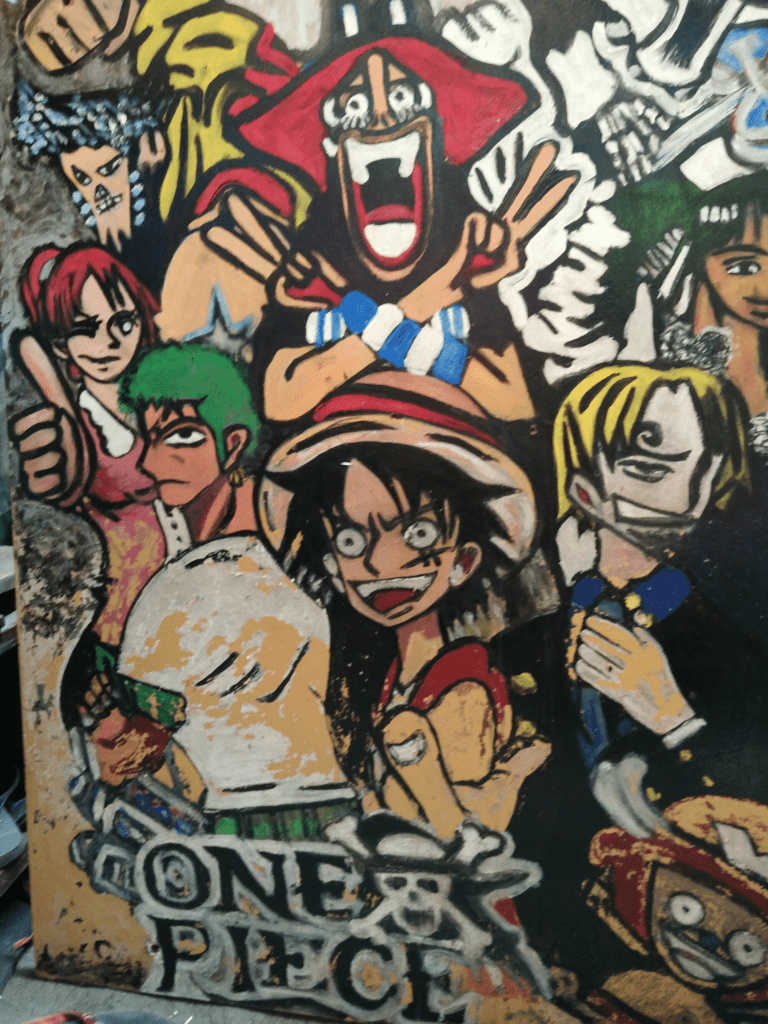
Then I had an idea: what if I sold his painting at an online auction? I immediately posted his drawing on my Facebook page and started the online auction. I began by bidding $10 myself, and then I asked the friend who had donated $50 to me before my trip to the Philippines if I could use that money to purchase the drawing. As soon as my friend confirmed this, I added $40 to the auction price and told the Compassion Leader that I would like to purchase the painting for a total of $100. That amount became a special donation to help Johnny’s family repair their roof, and as a result, the $5 painting turned into $100, making everyone a winner. Later, I wanted to bring the artwork to Korea, but due to its size exceeding standard airline luggage limits, I happily donated the painting I had purchased to the Compassion Philippines local office.
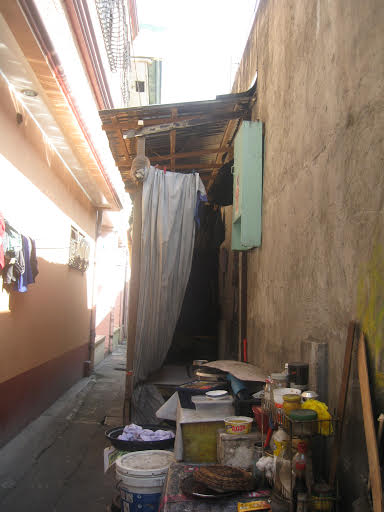
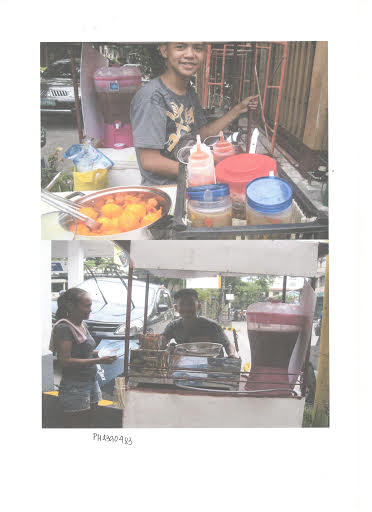
Even after the vision trip, I wanted to help Johnny’s family. First, I wanted to help the Johnny family stay dry during the rainy season, buy proper art supplies to help Johnny’s father sell his artwork at a higher price, and replace the basketball hoop with an adjustable one so that the smaller children in the neighborhood could play basketball. After discussing with Compassion, I decided to donate 1 million won to the Johnny family through a designated donation. A few weeks later, I received the joyful news from the Compassion team that they had purchased galvanized steel sheets and plywood to renovate the old roof. Six months later, in July 2017, I received the amazing news from the Compassion team that Johnny’s family had purchased a food cart with my donation to start their business, and Johnny’s father had used the income to buy art supplies. Now, Johnny’s family is economically self-sufficient, and his father is on the verge of fulfilling his dream of becoming an artist by fully utilizing his talent. I also hold the hope that one day, the miracle of visiting Johnny’s family’s wonderful restaurant will become a reality.
“Dear children, let us not love with words or speech or in theory from the mouth of many, but in deed and in truth.” (1 John 3:18)
 택배기사핸디맨 블로그
댓글 남기기