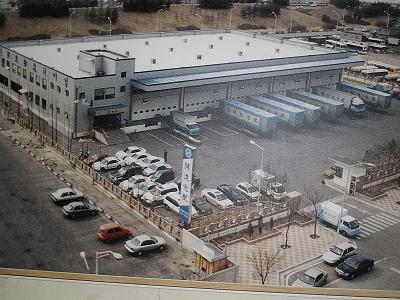
6:10 AM. I’m already awake, but I don’t want to get up because today means heading back to the delivery grind. Just thinking about another day exactly like yesterday—only the number and size of packages will change—already makes me sigh. I hurriedly wash up in the bathroom, grab a quick breakfast, throw on my work clothes, and walk to the truck parked behind the apartment. I start the engine with a dull roar. Departing around 6:20 a.m., I join the line of delivery trucks speeding along the Incheon coastal road. Arriving at the logistics terminal, I secure my parking spot in my designated area by 6:50 at the latest. Upon arriving at the terminal, I open the truck’s cargo door and must back into a parking spot in line, precisely matching the gaps between trucks. At first, I wondered how anyone could park in such tight spaces, but now I’m no longer surprised to see myself expertly backing into spots with 50cm gaps.
At 7:00 AM, the sound of the conveyor belts starting up echoes through the terminal as hundreds of delivery drivers begin sorting. We usually call it ‘ka-dae-gi’ – visually checking the sorting codes on all the labels of goods speeding by on the conveyor belt and grabbing them by hand. Like machines, we line up long queues on both sides of the belt, scanning the agency codes on the invoices nonstop. We call out apartment names loudly to each other, passing or handing down packages. If you take your eyes off the task for even a moment, you’ll miss not only the items for your assigned zone but also those for the same agency. Missed items only come down at the very end, forcing workers to wait for the conveyor belt to reverse direction. This disrupts loading order and delays terminal departure times. Standing for four hours daily in sweltering summers or freezing winters at this open-sided logistics terminal, picking items by hand, is truly extreme labor. It makes you think overwork deaths could occur during this process.
After finishing the sorting all morning, you’re already completely drained, but now you must set out to deliver hundreds of boxes. You head to the delivery locations while fielding urgent calls from customers who received their estimated arrival time via message. Sometimes you buy lunch, but on Tuesdays, when the volume is highest, you wolf down a gimbap roll with uncut tuna from a snack shop in your car while continuing deliveries. Even accounting for travel time and elevator waits, I walk at least 20,000 steps daily. Carrying heavy items up stairs is extremely taxing. I never dreamed the heroic tales of veteran drivers—like those who delivered 20kg rice sacks in autumn or 10 boxes of kimchi cabbage to the 5th floor of an apartment building—would become my own reality.
Dinner is often skipped on busy days, replaced by snacks to stave off hunger until after work. Tonight, I returned home past 10 PM, eating dinner while drinking makgeolli. Only after downing a cup of makgeolli on an empty stomach does the day’s tension finally melt away, granting a brief respite from reality. Though I live like a hamster on a wheel, same time, same terminal and alley every day, unable to rest as I please, I’m simply grateful to have made it through another day without incident. This month’s income still leaves me in the red when covering living expenses and other costs, but I count myself lucky that my family can eat and get by. A colleague recently quit, so my delivery area will expand, meaning next month’s income should increase a bit. Most encouraging of all is that while I used to dread meeting people and just wanted to avoid them, talking to others now feels quite natural. Even now, I can hardly believe that I, who couldn’t leave the house for nearly a year, am living life as a busy delivery driver every day.
This is the story of a delivery driver in Incheon.
 택배기사핸디맨 블로그
댓글 남기기