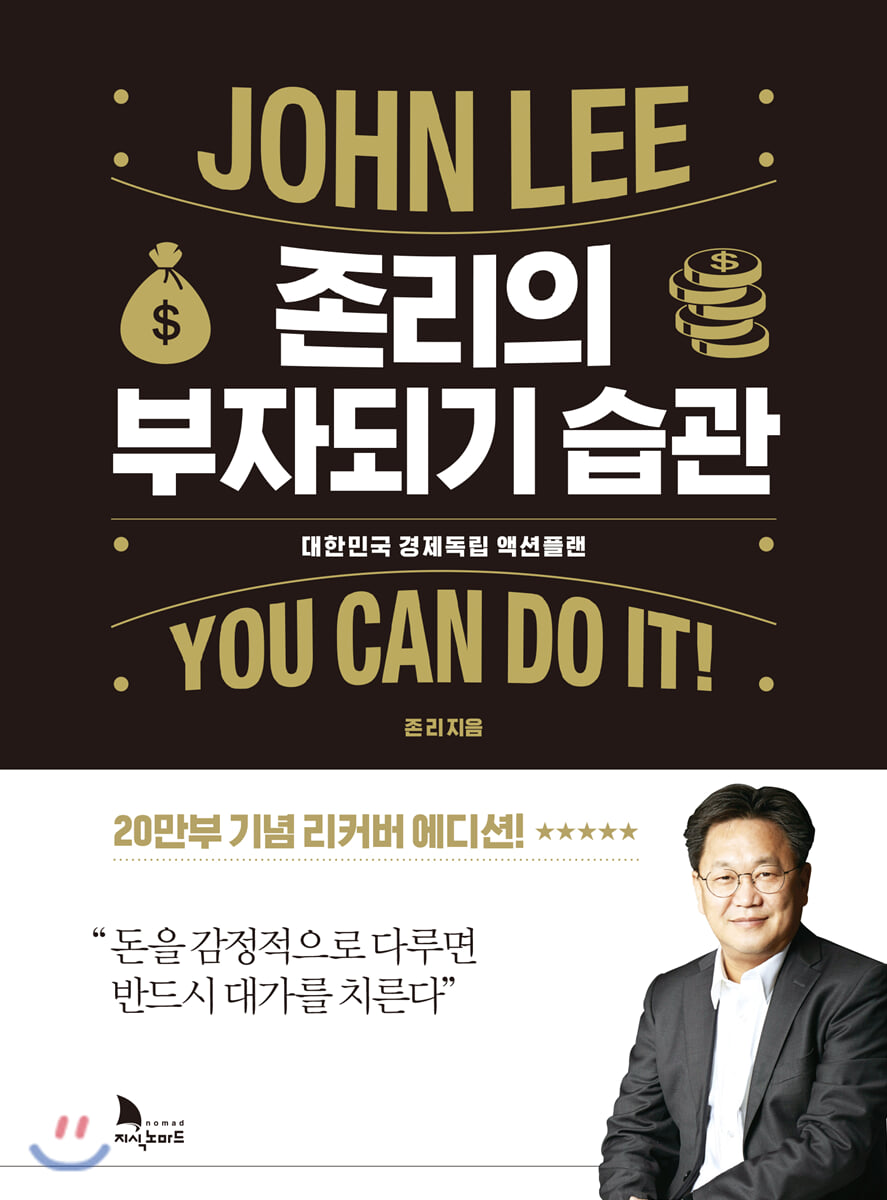
Throughout this book, I too realized how severe my financial illiteracy could be. Born into an ordinary family, I received a good education, luckily succeeded in college admissions, graduated, joined a foreign company, and raced forward without looking back. Yet, by CEO John Lee’s definition, I was merely a ‘high-achieving worker.’ I reflected on my past, where despite studying business administration in college, I didn’t know how to become a capitalist and viewed my university degree solely as a means to a high salary. Rather than belatedly regretting the money I squandered on leisure in my twenties, wishing I had invested it in Samsung Electronics stock instead, I resolved to start investing immediately, starting now.
The observation that the majority of South Koreans structure all their spending around homeownership is actually a ‘cost’ to themselves, and that falling house prices in an aging society could directly lead to financial crisis, was a fresh shock. The explanation that stock investment isn’t just simple wealth management, but a process of growing your stake alongside a company over the long term, was also impressive. The idea that participating in a company’s vision and sharing its rewards is the right investor mindset, along with the philosophy that ‘stocks are not meant to be sold,’ completely shifted my thinking.
The tips on children’s education were also valuable. I agreed that having them read English reports while investing in US stocks is far more effective economic education than private tutoring. It made me deeply contemplate whether to spend private education funds on raising ‘high-performing workers’ or invest in stocks to raise ‘capitalists’. I recalled a foreign woman I met years ago who gifted Bitcoin to her nieces and nephews, and it made me realize again the importance of the Jewish tradition of gifting watches (time) and cash (capital) at bar/bat mitzvahs. This year, I opened stock accounts in my children’s names and bought blue-chip stocks for them. Discussing stock price fluctuations and their reasons proved to be the best education.
Nine months after writing this (August 2021), reflecting on a life of investing
I’m truly fortunate to have developed an interest in diverse assets—from ETFs and stocks to cryptocurrency—and to have put that interest into action. The results were good, but above all, I am grateful for having naturally embraced the rapidly changing technologies and innovations of this world into my life. I realized that resisting change and clinging to past habits only worsens financial illiteracy and passes on debt to the next generation. People often envy YouTubers who turn 5 million won into 10 billion won, yet dismiss them as ‘just lucky’. But if they knew he dedicated himself to trading relentlessly for four years, barely sleeping, they wouldn’t call it easy money. Just like the perseverance shown by YouTubers like Sinsaimdang.
Last summer break, quitting all my eldest son’s middle school cram school classes and creating an environment for him to study independently, then having him write a blog with me, was the biggest ‘bet’ of my life. As a result, he did well on his midterm exams and tasted a sense of accomplishment. Now, he’s contemplating his own path and has found motivation. This is truly the best ‘return on investment’ of my life. I’m investing again this month. I wake up at 4:30 AM to trade, and even when it gets tedious, I write my blog daily, steadily moving toward my dream of ‘building a house on a 1,000-pyeong plot of land’.

 택배기사핸디맨 블로그
댓글 남기기