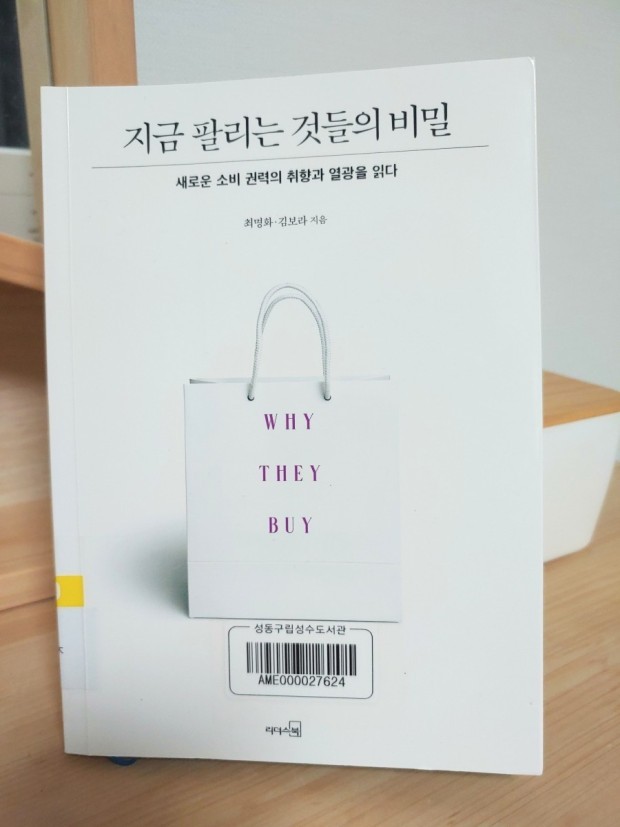
Listening to The Secret of What Sells Now helped me understand the MZ generation a bit better. It analyzed, from a marketer’s perspective, how the ‘MZ generation’—combining Millennials born from the early 1980s to the early 2000s and Generation Z born from the mid-1990s to the early 2010s—responds to trends.
First, I considered which generation I belong to and realized I’m part of ‘Generation X’. Defining generations with specific labels like the Baby Boomer generation, New Generation, or Sandwich Generation feels like drawing lines, and I’m not particularly fond of it. However, I do agree that sharing similar trends and major historical events during a specific period leads to similar ways of thinking and shared memories.
Just as I didn’t personally experience the Korean War or the student movements of the 80s, today’s 20s and 30s generation didn’t directly live through the IMF foreign exchange crisis or the dot-com bubble. So, differences in thinking between generations are only natural. The problem, I think, is the attitude that starts with “Back in my day…” and refuses to understand the current generation. It’s because when we acknowledge differences, respect each other’s perspectives, and move forward together, productive trends like ‘Newtro’ can emerge.
I recall a cosmetic ad from long ago featuring actor Lee Byung-hun and singer Kim Won-joon. Having male models for cosmetics was groundbreaking, but the direction—where the two actors stared at the camera without any product explanation, ending only with the ‘Twin X’ logo—precisely targeted Generation X, the primary consumer base at the time. Since then, the marketing industry has continuously defined generations, presenting ads and programs tailored to their codes.
This book offers a fascinating marketer’s perspective on how luxury brand Gucci understood the tastes of the new generation to revive itself through Newtro fashion, how the program <What Do You Do When You Play?> drew the mobile generation—who don’t watch TV—back to the screen, and why people are so enthusiastic about ‘side characters’ (bu-kae).
We live in an era where Instagram stars and YouTubers wield influence rivaling celebrities. If you’re not interested in who they are, you might not face immediate survival threats like ‘financial illiteracy,’ but you risk becoming like a stretched-out tape, stuck repeating old stories until eventually no one seeks you out. I enjoy Instagram but write in my diary, handle work via video calls but cherish relationships built over face-to-face coffee, and drive an electric car while still enjoying the thrill of classic cars on weekends. What generation am I, really? I ask myself this question once more.
 택배기사핸디맨 블로그
댓글 남기기