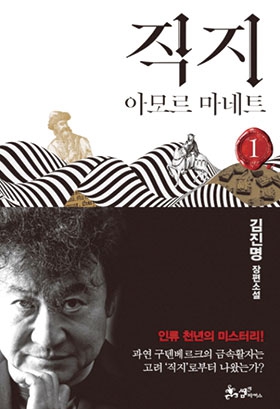
The historical thriller Jikji, based on the Jikji Simcheyojeol we learned about in history class, delivered an experience like combining the tension of Dan Brown’s The Da Vinci Code with the mystery of Umberto Eco’s The Name of the Rose, making it impossible to put down. Beginning with a reporter investigating the horrific murder of a Latin professor, this mystery novel intriguingly explores the hypothesis that Gutenberg’s printing press in Germany may have been influenced by Korea’s Jikji.
When various historical references, such as Gutenberg’s portrait and legends from the Avignon monastery in France, were introduced, it felt like watching a historical documentary. As the clues to the murder were traced, the fictional story intertwined with the process of King Sejong’s creation of Hangeul, and the revelation that a woman named ‘Carena’ was at the center of it all made it impossible to put the book down until the very end.
The premise that Gutenberg’s printing press, the driving force behind Western cultural reform, was transmitted from China to Germany through the tragic fate of a genius woman in Joseon was incredibly intriguing. If the dramatic journey—where miraculous helpers appeared at every critical moment, preventing metal movable type from fading into obscurity and instead blossoming into a printing revolution—is true, then the subtitle’s phrase, ‘Carena’s love is eternal (Amor Manet),’ would resonate deeply within the heart.
Ultimately, what is greater and more eternal than the secrets of the Roman Papacy or the political intrigues surrounding Hangeul is love itself, and this will resonate deeply with every reader of this book. Secrets and politics, when left stagnant, inevitably rot. But the passion for metal type and the life journey of a woman named Carena became a fragrant tale, leaving a positive influence. I, too, resolved to live each day carefully, mindful of my words and actions, pouring passion into my small endeavors and striving to have even a little good influence on those I meet.
 택배기사핸디맨 블로그
댓글 남기기