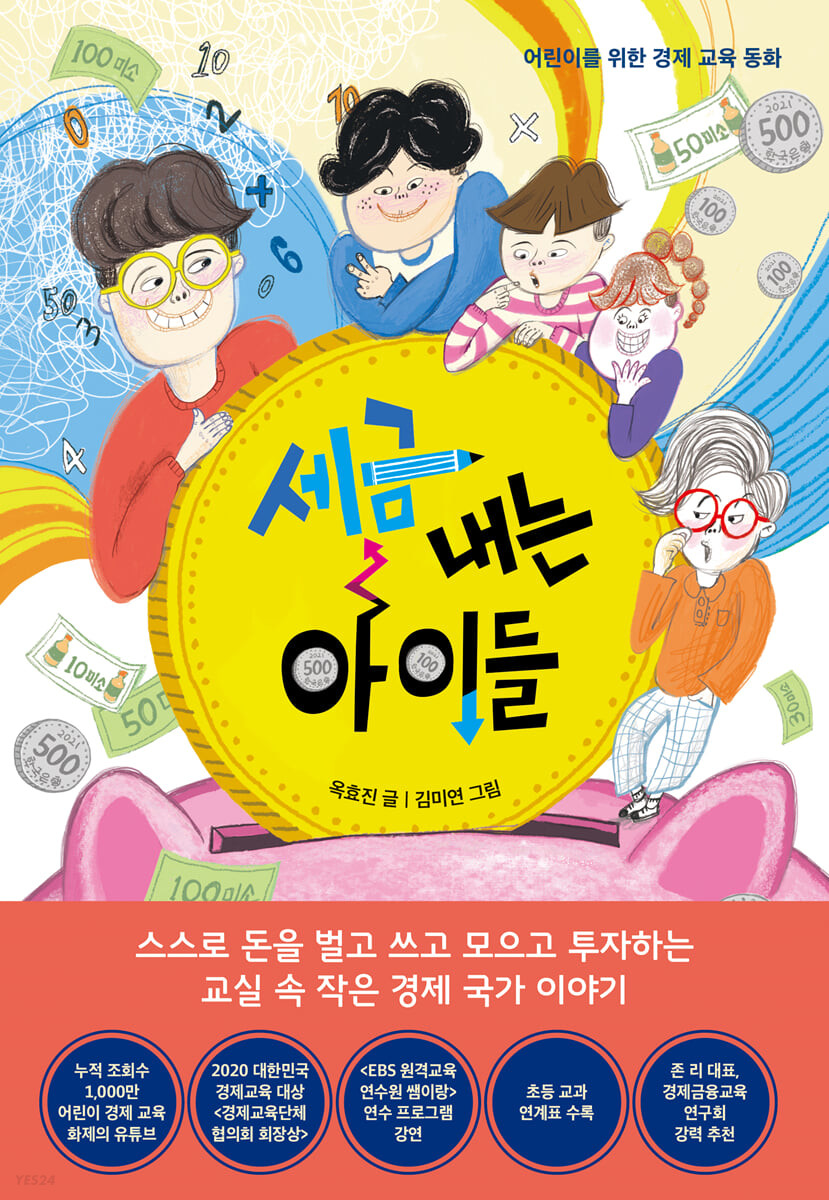
This book chronicles the classroom story of a new-generation teacher at a Busan elementary school who operates a YouTube channel. To educate children about economics, the teacher introduced and managed a classroom currency called ‘Miso’. Children receive monthly salaries and pay income tax, health insurance premiums, electricity bills, and other expenses based on their chosen professions. They invest in stocks indexed to their homeroom teacher’s weight, bid for autographed balls at auctions, and engage in simulated economic activities. The core of this book is how children naturally learn economic principles through this ‘economic play’.
Last year, when I started investing in stocks, I bought ‘Samsung Electronics’ shares under each of my children’s names as an educational exercise. The educational impact exceeded my expectations. First, the children began regularly checking the news, curious about why stock prices rise and fall. It was very encouraging that they not only asked about the current profit amount but also gradually showed curiosity about other companies’ stocks, creating a new topic for conversation. Instead of the usual exhausting arguments about ‘studying’ between parents and children, we now have richer conversations about constructive and practical topics like which companies to invest in and what their future prospects might be.
Recently, I learned about an elementary school YouTuber who earned 15 million won through stock investments. Hearing that student’s solid investment philosophy, I became convinced that if someone builds such a strong foundation in investing from such a young age, they will succeed in whatever they pursue in the future. The importance of teaching children about money cannot be overstated. It’s said that Jewish families use the approximately 50 million won in congratulatory money gathered by relatives for a 13th birthday coming-of-age ceremony to invest in stocks or funds, growing the assets to serve as future independence funds. The watch given as a gift is meant to remind them of the ‘preciousness of time’. Had I realized the importance of money and time earlier, I might have achieved financial freedom by now and be traveling the world.
Reading 『Children Who Pay Taxes』 made me realize I need to learn more about money than my children do. I resolve to maintain a more ‘horizontal mindset’ and dedicate myself wholeheartedly to my children’s financial education.
 택배기사핸디맨 블로그
댓글 남기기