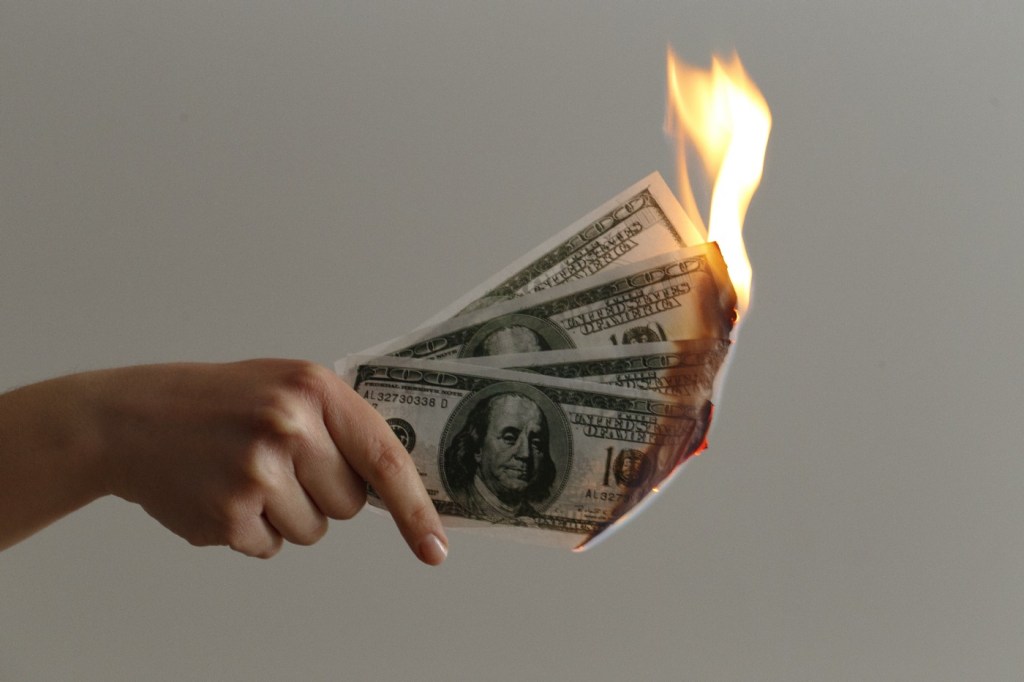
From an investment perspective, simply holding cash is essentially the same as investing in the asset class called ‘cash’. However, historically, there has never been a time when cash was as undervalued as it is now. It has even reached the point where people say “Cash is Trash.” The sharp rise in real estate prices last year paradoxically signifies a decline in the value of cash. This is because it can also be interpreted not as house prices doubling, but as the purchasing power of cash halving. The occurrence of inflation exceeding 5% in the US and the unprecedented relay of salary hikes in the domestic IT industry are strong counterevidence that the value of cash is continuously declining.
IT innovation accelerated after COVID-19 has completely transformed our daily lives. Ordering goods via live commerce and receiving them the next morning has become an utterly ordinary part of daily life. Recently, while replacing tires through Coupang, I truly felt the power of logistics innovation that bypasses middle distribution channels. Seeing them offer a home-visit replacement service at a price 50% lower than market rates made visiting a physical store feel downright inefficient. This data-driven service, which matches specifications using just the car’s license plate and notifies you of replacement timing based on mileage, is completely changing the paradigm of consumption.
While making my first PayPal payment on Amazon over 20 years ago felt like a novel experience, I now can’t even recall the last time I used cash. We’ve grown accustomed to conveniently spending with credit cards and paying the bill in cash the following month. This raises a question: While the state guarantees the stability of its legal tender, who actually determines the **‘value of cash’**? From a global perspective, the won constantly fluctuates against the dollar, the reserve currency. Yet citizens confined within the Korean won economy often only truly grasp the won’s real value when traveling abroad. What if the dollar’s status as the reserve currency were to falter? The decline in the dollar’s value due to inflation and the essence of the US-China trade conflict can ultimately be interpreted as a struggle for hegemony over the reserve currency. This is the result of mounting discontent among creditor nations that sell goods and receive dollars, as the US Federal Reserve (Fed) astronomically increases the dollar supply. In an economic system that prolongs its life by raising debt ceilings through quantitative easing, there is no such thing as a ‘free lunch’. The cost must inevitably be paid from someone’s pocket, and inflation has become a silent tax, eroding our assets.
The decline in cash value is an uncomfortable truth no one tells you. Doing nothing is equivalent to neglecting the depreciation of asset value. That’s why I minimize my cash holding period and invest most of my profits in cryptocurrency through a systematic investment plan. I manage my finances by selling just enough cryptocurrency to cover necessary expenses on card payment dates to secure cash. I avoid getting caught up in short-term gains or losses, instead ‘HODLing’ and waiting for the magic of compound interest. If you actually check the results on costavg.com of making small, regular investments in Bitcoin since 2020, you’ll be amazed by the returns. Just like the lyrics of Stella Jang’s song, “My paycheck barely touches my bank account,” but I make that fleeting cash work for me. I’ve mastered the know-how to generate returns aligned with spending days and transform potentially ‘Trash’ cash into valuable assets. Today, I’m not just delivering goods; I’m shipping future value and happiness.
 택배기사핸디맨 블로그
댓글 남기기