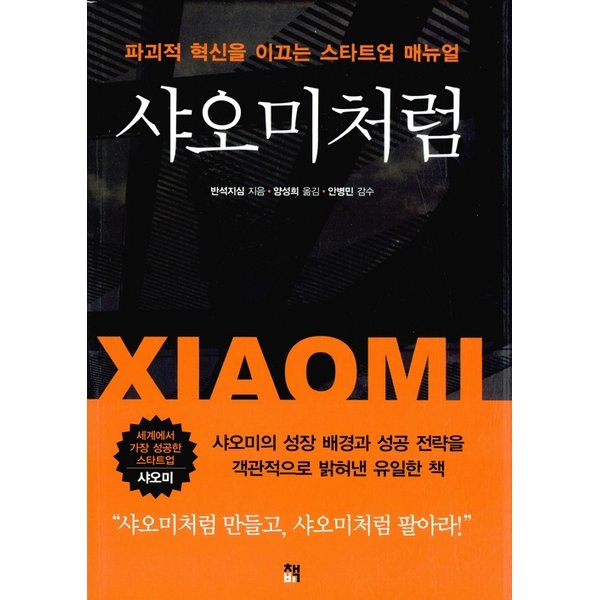
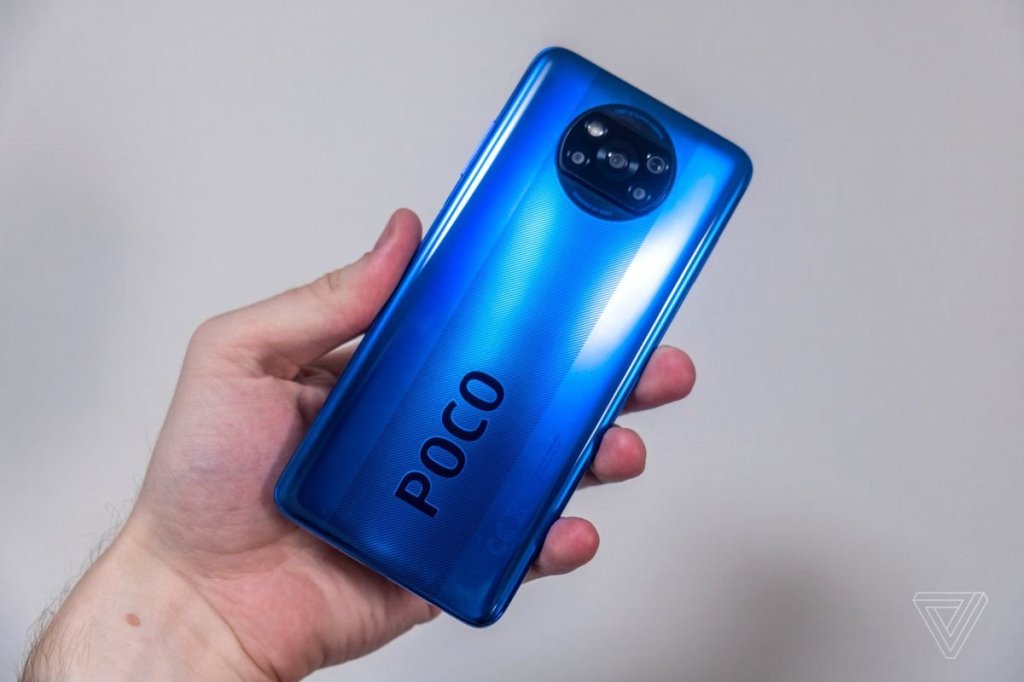
I’ve been using a Xiaomi phone for quite some time now. The reason I started using it was because I needed a phone with dual-SIM capability while traveling back and forth between Korea and the US. I happened to discover Xiaomi while searching for such a phone. At first, I thought it was just one of many low-cost Chinese smartphone brands, with a slightly cleaner design. This was because the software UI felt more like an iPhone than the hardware design. The iPhone offers excellent UI and high user convenience, but it has limitations when it comes to customizing specific features. Android, on the other hand, has the advantage of providing more options for things like widget settings or file sharing.
Xiaomi, being Android-based, yet offering an iPhone-like experience, felt like it combined the best of both platforms. For example, Xiaomi phones come with built-in screen recording, enabling ‘cheat code’ uses like recording videos (e.g., Instagram clips) that are hard to share across services and uploading them to YouTube. The hardware specs are also excellent. Despite boasting high specs in nearly every aspect—CPU, memory, display, camera—it boasts astonishing value for money, priced at about half the cost of iPhones or Samsung products with similar specs. The stereo speaker sound delivers an immersive experience akin to high-fidelity speakers, while simultaneous support for fingerprint and facial recognition ensures convenient unlocking in any situation. It essentially provides a user experience (UX) that combines the ‘cool’ aesthetic of an iPhone with the ‘convenient’ functionality of Android.
This book helped me understand the secret behind such groundbreaking pricing and quality. It was truly surprising to learn that Xiaomi operates more like an ‘internet company’ than a hardware manufacturer. To excel in both hardware and software, seamless communication and collaboration between these two divisions is essential. Xiaomi’s management team is specifically composed of professionals with internet company expertise. They listen directly to customer feedback and immediately incorporate it into product development. They also use Fandom marketing and Hunger marketing to accurately predict pre-order volumes. This enabled them to minimize component procurement costs and adopt a strategy of setting consumer prices at unprecedentedly low levels. Despite the inherent differences between the manufacturing-focused ‘factory culture’ and the update-focused ‘software culture,’ Chairman Lei Jun and the management team operated these two organizations to generate synergy, proving their unparalleled competitiveness.
Of course, there are criticisms of ‘copying Apple’ or ‘imitating Steve Jobs,’ but benchmarking the industry leader is commonplace in the IT sector. Considering the countless executives worldwide who adopt Steve Jobs-style presentations, this is hardly surprising. Rather, Xiaomi and Chairman Lei Jun command admiration for swiftly outpacing numerous low-cost competitors to build their own ecosystem and powerful brand. Founded in 2010, Xiaomi listed on the Hong Kong Stock Exchange in 2018 and surpassed a market capitalization of 100 trillion won in 2020. Comparing its current market cap (approximately 85.5 trillion won) to that of Samsung Electronics or Naver reveals just how remarkable its growth has been in such a short time.
Beyond ‘Internet Thinking,’ the author details fandom and hunger marketing strategies benchmarked from Apple. The strategy of actively engaging with fans through social media and cementing the brand through record-breaking sales and credible media interviews proved highly effective. The approach of leveraging market share and sales performance to boost ‘brand trust’—a core factor in digital product purchases—was also a smart choice.
Reading this book made me realize anew how crucial it is for both manufacturers and developers to communicate directly with customers in response to a changing market. Great companies are no longer those relying solely on long history or tradition. I understood that success hinges on how open-minded the management and members are, and how deep a fanbase (loyal customers) they cultivate based on their unique culture. That’s why, even today, I wake up at 4:30 AM to read the market and finish my trading,
 택배기사핸디맨 블로그
댓글 남기기