One of the most memorable ‘Kairos moments’ created by sports stars is the scene of golfer Se-ri Park taking off her shoes and wading into water to hit a ball trapped in a hazard during an LPGA Tour event. At the time, the nation was overcoming the IMF financial crisis, and Park’s crisis-escape scene was used in a national public service campaign video, cementing her status as an icon of overcoming adversity. Following this, the ‘Seri Kids’ emerged—youngsters who nurtured their dreams inspired by Park Se-ri. Together with them, she elevated South Korean women’s golf to the world’s highest level. Alongside Park Chan-ho of MLB and Park Ji-sung of the Premier League, Park Se-ri of the LPGA is a source of national pride and a protagonist who rewrote South Korea’s sports history. After retiring, Park continued to make waves as a golf commentator and Olympic national team coach. She also appeared on various variety shows, revealing her personal side beyond the athlete persona and garnering significant public attention. As details of her wealth emerged, she earned the nickname “Rich Unnie.” True to her status as a world-class athlete, her cumulative prize money and advertising sponsorship deals were staggering. Her disclosed assets are said to be around 50 billion won, yet her remarkably unassuming and humble demeanor was deeply impressive.
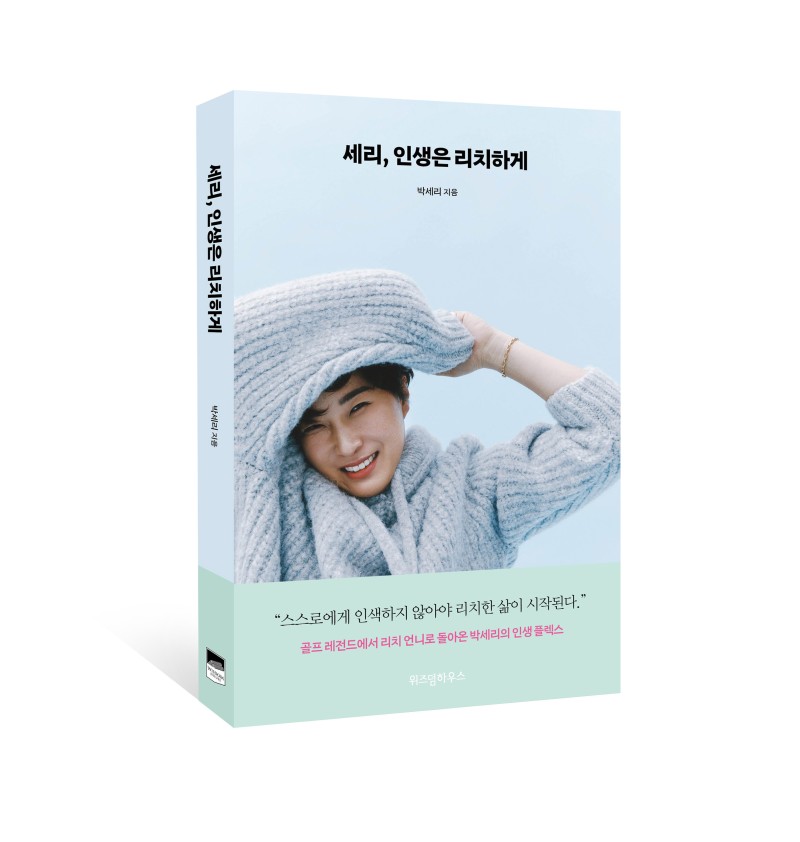
Reading her autobiography, I learned about her journey as an athlete, her family story, and her second life after retirement. It made me think, ‘This is the kind of person who truly elevates Korea’s national strength.’ What struck me most was not just the sweat she shed to become the best in her field, but the even greater effort required to maintain that top position. One locker room episode during her preparations for a U.S. interview stands out. Despite facing severe prejudice against an Asian person with limited English, she ultimately prevailed in the power struggle, communicating directly to break down barriers – a deeply moving process. This experience resonated deeply with my own feelings when I first went on assignment to the US. I believe this is less about a simple language barrier and more about a cultural barrier where direct expression is often avoided. Even within Asia, Chinese culture tends toward direct expression while Japanese culture hides emotions; similarly, Korea’s unique ‘reading the room’ culture can create a sense of alienation locally. Overcoming this felt very relatable.
Despite the immense title of ‘First Korean Female Golfer to Win on the LPGA Tour,’ along with the wealth, fame, and even the ‘Seri Wine’ – all these dazzling accolades – she pursued a vision after retirement: establishing a sports academy to live a second life. Though we were born in the same year, 1977, she was someone I couldn’t help but respect—someone with admirable mental strength, fighting spirit, and a humble character, even as I lived diligently as a delivery driver in Incheon. It was a delightful book that made me dream of succeeding enough to one day have my name on the year-end house party guest list mentioned in the book. I will continue to cheer for Park Se-ri. Fighting, Korea!
 택배기사핸디맨 블로그
댓글 남기기