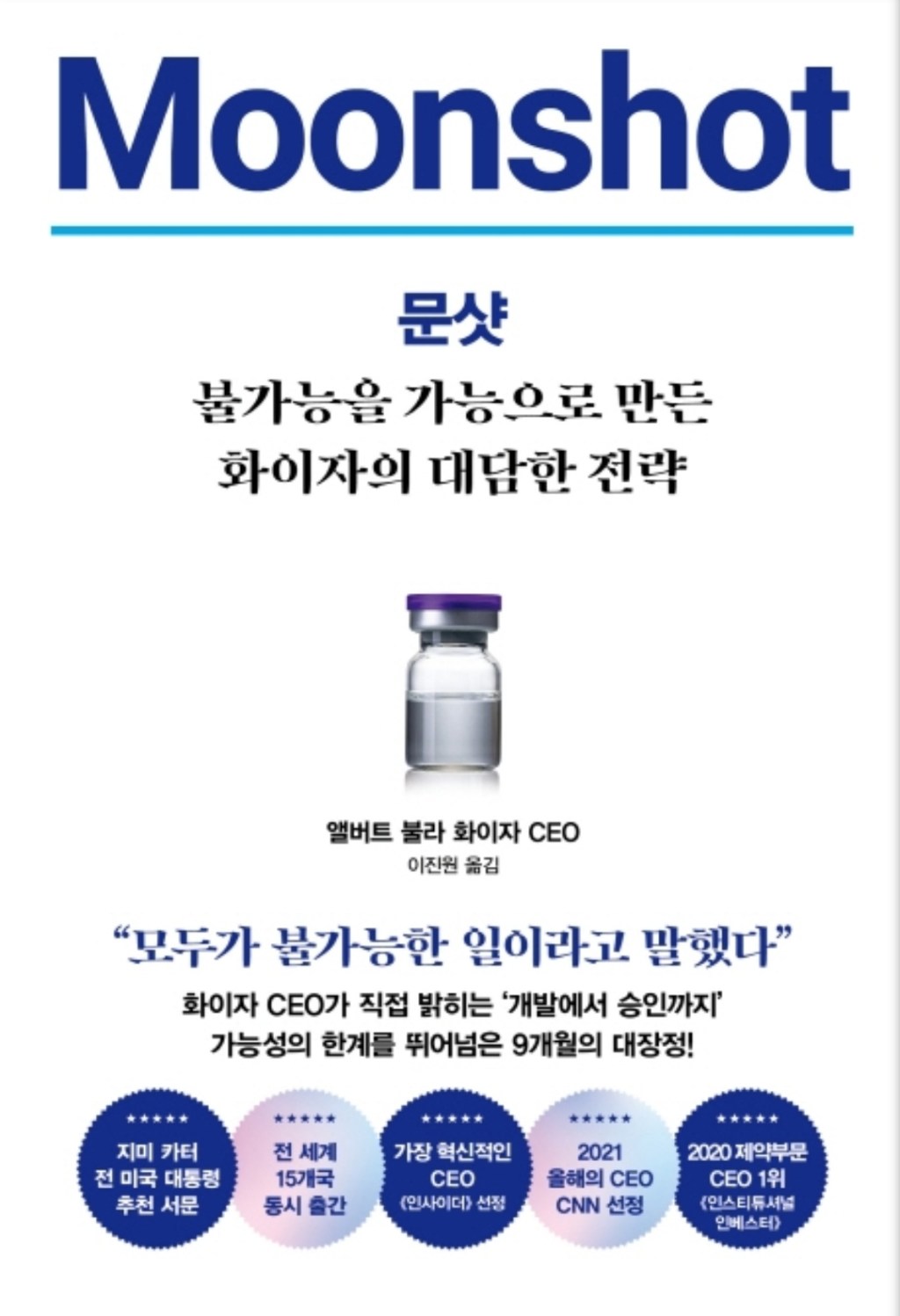
The plot of ‘Moonshot’ follows Albert Bourla, newly appointed CEO of Pfizer, as he harnesses the untested new technology of messenger RNA (mRNA) to dramatically shorten the vaccine development process—typically taking years—to just nine months. It tells the story of the heroes who made it happen. Had the traditional process taken years, national border closures and lockdown periods would have been significantly longer. Perhaps due to this rapid market launch, the perception that the Pfizer vaccine was the safest with the fewest side effects dominated public opinion during the pandemic. Whether this trust was based on medical evidence or the result of sophisticated marketing by a global pharmaceutical company is unclear, but the memory of everyone prioritizing the Pfizer vaccine remains vivid.
In fact, speculative articles and conspiracy theories about the origin of the COVID-19 virus still abound. The theory of human-animal contact and the theory of a leak from the Wuhan Institute of Virology are locked in a stalemate. Revelations by Chinese virologist Dr. Yan Limeng and reports by Indian media that the Wuhan Institute’s funding source was the U.S. National Institutes of Health (NIH) suggest the existence of state secrets inaccessible to the general public. What’s intriguing is the testimony from Chinese colleagues. Within China, theories circulated that the virus spread from American soldiers participating in the 2019 Military World Games in Wuhan, alongside conspiracy theories that Pfizer was already developing a new drug before the outbreak.
I recall helping a young public health doctor couple, newly assigned to Danyang, move their belongings during the early pandemic. When I asked him about the effectiveness of masks and virus transmission during a meal, his answers didn’t stray far from media reports or common sense. Yet, looking back on the past few years of pandemic policies—semi-mandatory vaccinations, self-quarantine, and mask mandates—many aspects seemed irrational and illogical. Particularly heartbreaking is the reality of bereaved families fighting lonely battles, unable to prove causality for the numerous deaths and side effects occurring after vaccination.
While the book contains the phrase “We stand on the side of science,” doubts linger about whether mRNA technology was truly a sufficiently validated scientific method. Seeing the increased number of cancer patients around me since the pandemic, suspicions about side effects remain unshaken. Looking back at the precedent where vaccine development halted after SARS and MERS naturally subsided with relatively few casualties, it becomes clear that global pharmaceutical companies ultimately operate strictly based on profitability. Behind the title ‘Moonshot,’ which implies launching a spacecraft to the moon, one is compelled to reconsider whether the true goal of vaccine development was to save humanity or to create a massive business.
 택배기사핸디맨 블로그
댓글 남기기