Various questions have arisen regarding the previous administration’s five-year record and its policies. Diplomatically, it chose a path of distancing itself from the United States and drawing closer to China, while persistently continuing its policy of supporting North Korea despite sanctions imposed by the U.S. and the international community. After the pandemic ended, the U.S. sharply raised interest rates and reclaimed the dollars it had previously injected into the market, thereby lowering domestic inflation and strengthening the dollar. Simultaneously, through the Inflation Reduction Act (IRA), it implemented protectionist trade policies to restrict sales of key Chinese products within the U.S. and relocated production bases for industries focused on core Fourth Industrial Revolution technologies entirely to the United States.
Given this situation, I believed that if South Korea’s foreign policy had remained pro-China and anti-U.S. as under the previous administration, many opportunities in the U.S. market would have been lost. In 2017, after the deployment of the THAAD missile system by US Forces Korea, China’s retaliatory measures, including the ban on Korean entertainment (Hallyu), restricted Chinese tourists from entering Korea, damaging the tourism industry. However, I believed that if the US had restricted sales of Korea’s major industries, automobiles and semiconductors, in the US market through the IRA bill, the blow to the Korean economy would have been even greater. And looking back, I realized that restricting individual travel by the state was something impossible in a liberal democracy.
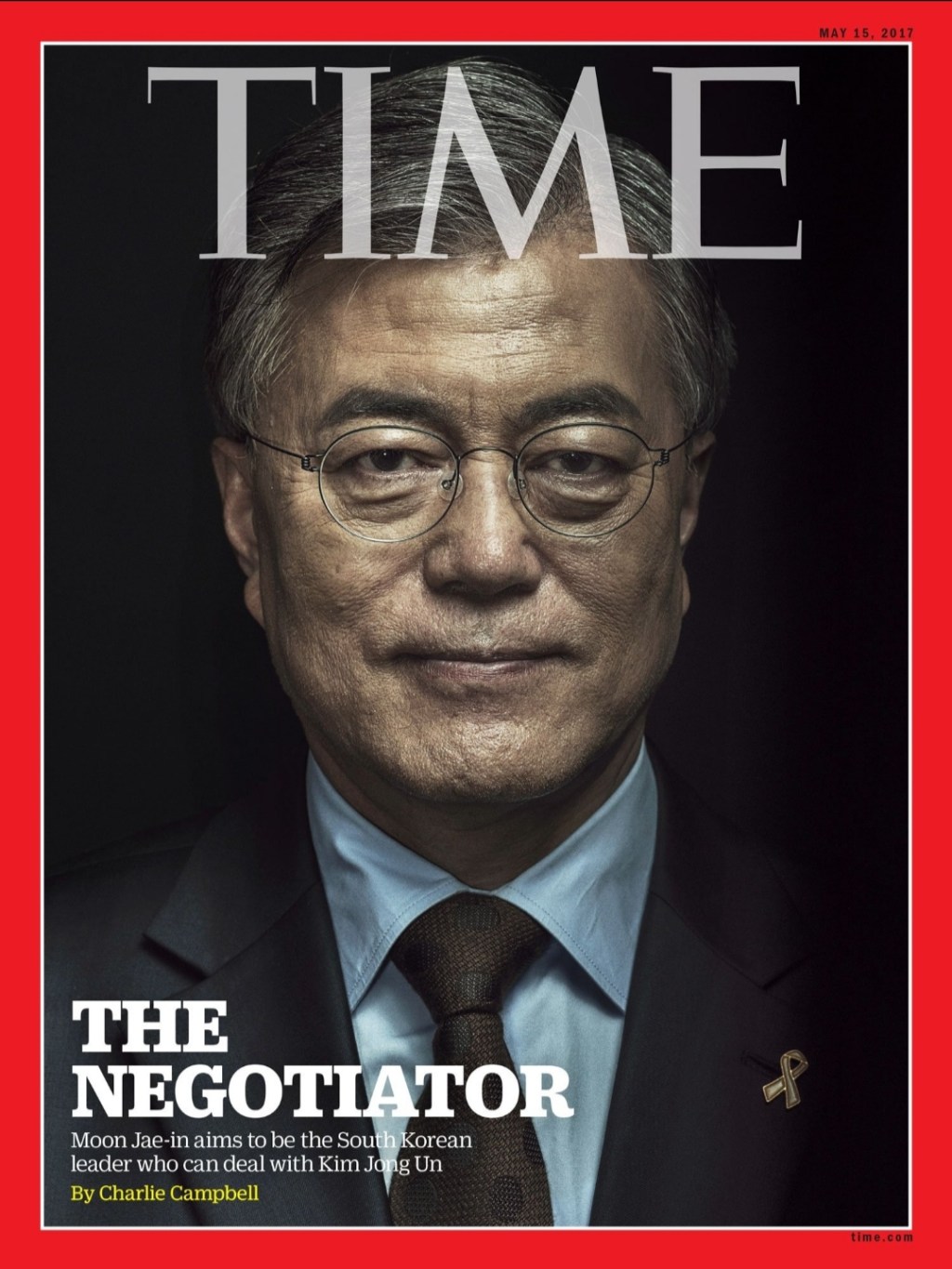
I also wondered whether the Sunshine Policy initiated under former President Kim Dae-jung and continued through the Korean Peninsula Peace Process pursued by the previous administration truly reduced the risk of war and increased opportunities for inter-Korean dialogue. Rather, I questioned whether South Korea was being exploited in a way favorable to the North Korean communist regime. I suspected that much of the humanitarian aid, such as rice and medicine, was sold on the Chinese market or that the benefits only reached Pyongyang’s core elite. During the Moon Jae-in administration, two North Korean defectors who were forcibly repatriated, and not just them—what became of the 55 out of 74 defectors who risked their lives escaping to South Korea only to be forcibly sent back? I worried about them all. I later learned that during that period, there was a fear among defectors that even if they escaped through China to Southeast Asia and reached South Korea, they would all be repatriated. Under the Constitution of the Republic of Korea, North Korean compatriots are also citizens of the Republic of Korea. Therefore, even though they are granted the rights of South Korean citizens immediately upon receiving a resident registration number when they defect, sending them back to certain death felt like a violation of human rights.
Furthermore, the nuclear phase-out policy and renewable energy policy, aimed at achieving zero nuclear power, have gradually been revealed over time to be, in a word, anti-civilization policies. The previous administration’s push for a radical nuclear phase-out policy, which exploited public alarm over nuclear energy following the Fukushima disaster and demonized the public by claiming the Earth’s future depended on shifting to eco-friendly energy policies to combat the climate crisis, was catastrophic, according to an interview with Professor Jeong Beom-jin, Vice Chairman of the Korea Atomic Energy Association. His testimony that Doosan Enerbility, Korea’s top nuclear power plant company, laid off 2,000 employees, and that its subcontractors also significantly reduced their workforce or went bankrupt was deeply shocking. It was yet another case where the private economy suffered direct damage due to national policy. It is deeply regrettable and a grave misstep that while South Korea was making this U-turn, Chinese nuclear companies overtook their South Korean counterparts. This represents a tremendous waste of national strength and a significant blunder. The silver lining is that the current administration is restoring nuclear energy policy. Although late, it is very fortunate that it is enabling private companies to revive themselves for energy self-sufficiency, a core element of the AI era.
History has no ‘what ifs,’ but looking back now, those five years were filled with many uncomfortable truths. While justified by COVID-19 containment, the blanket ban on religious gatherings and the quasi-compulsory vaccination to control society and citizens raised necessary questions about infringing on personal freedoms.
Moreover, for those who died after vaccination without proven causation, the many churches that closed during COVID, the countless food service self-employed who went out of business due to lost customers, and those who became suddenly impoverished by failed real estate policies amid the global asset market bubble fueled by US-driven liquidity growth – they all hoped someone would explain why. While the current administration also has politicians involved in personal corruption and policies that are hard to justify, regarding anti-Christian bills like the Anti-Discrimination Act or same-sex marriage, I felt the conservative camp was actually protecting the right values. This is because upholding essential values to the end while adapting non-essential matters to the times is the right direction. For instance, comparing the political values of the U.S. Democratic and Republican parties, their core stance on abortion revealed that Democrats generally support it, prioritizing women’s choice, while Republicans oppose it, prioritizing the right to life.
This made me curious about how South Korea’s political parties differ on abortion, and I further looked into their positions on same-sex marriage. While they haven’t publicly stated positions on these sensitive issues, the opposition between conservative parties valuing the fetus’s right to life and progressive parties prioritizing women’s choice rights was similar. Moreover, ideological conflict has persisted in South Korea even since its founding. The conflict between conservative right-wing and progressive left-wing forces extended beyond politics into education and religion. Amidst generational conflict, wealth disparities, and gender tensions, the recent surge in heinous crimes seemed no coincidence. So I reflected on what essential values must be upheld. I resolved to first repent myself and then forgive others. Only then, I believed, could South Korea move forward.
 택배기사핸디맨 블로그
댓글 남기기