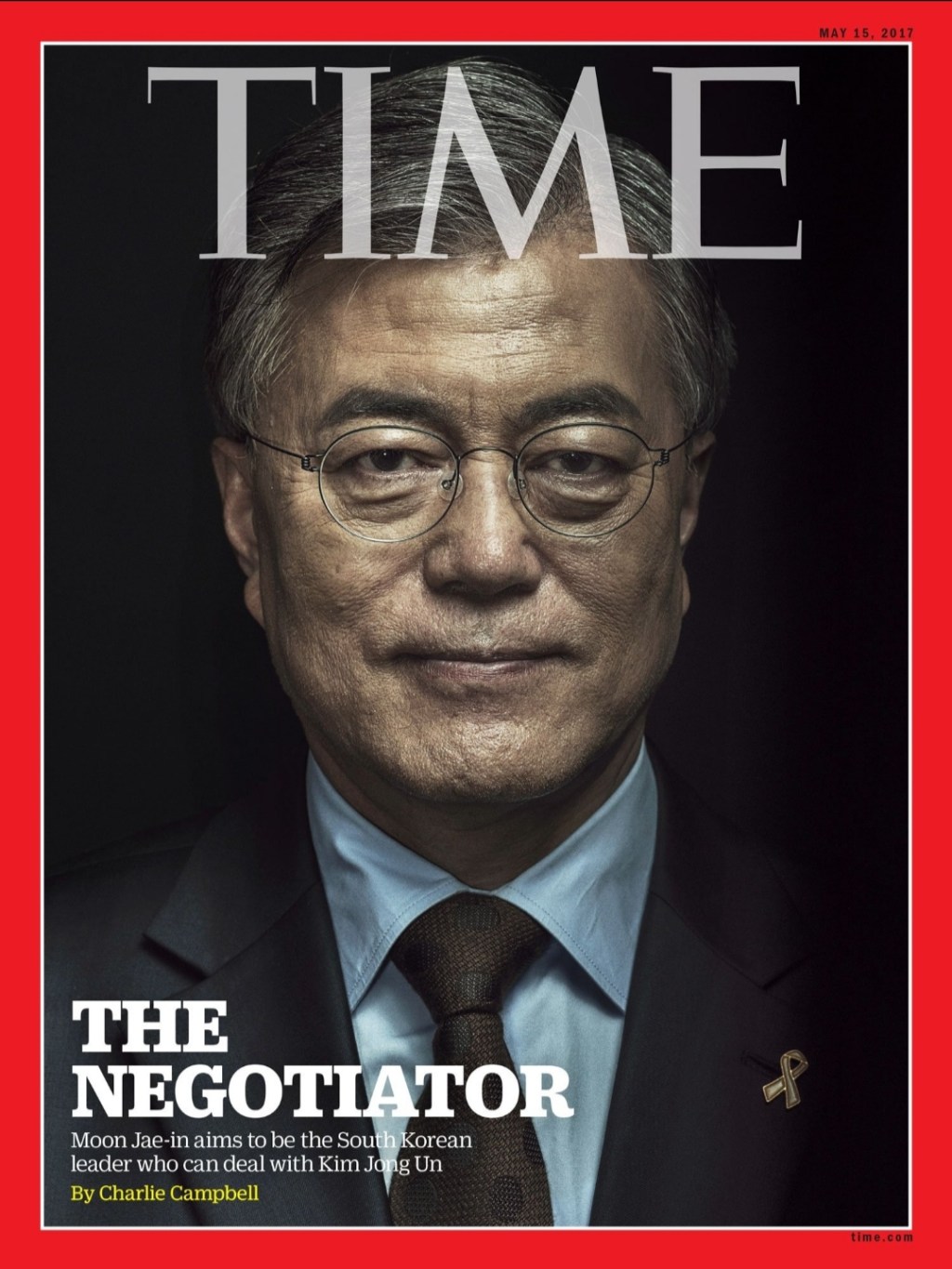
지난 정권의 5년 간의 기록과 그 정책에 대해 여러가지 질문들이 생겼습니다. 외교적으로 미국을 멀리하고 중국과 가까이 하는 노선을 선택하면서 미국과 국제 사회의 대북 제재에도 불구하고 지속적으로 대북 지원 정책을 이어갔습니다. 팬데믹이 끝난 후 미국에서는 금리를 급격히 올리면서 다시 풀었던 달러를 회수함으로서 자국 내 인플레이션을 낮추고 달러를 강화하였습니다. 동시에 IRA(Inflation Reduction Act) 법안을 통해 보호 무역 정책으로 중국산 핵심 제품의 미국 내 판매를 제한하고 4차 산업 핵심 기술 위주의 산업들의 생산기지를 모두 미국으로 옮겼습니다. 이런 정세에 만일 대한민국의 외교 정책이 전 정권의 기조대로 친중반미였다면 미국시장에서의 많은 기회가 사라졌겠다고 생각했습니다. 2017년에 주한 미군의 사드 미사일 배치 후 중국의 한한령 보복 조치로 중국 관광객들의 한국 입국을 제한하여 관광 산업이 피해를 봤지만 만일 미국에서 IRA 법안으로 한국의 주요 산업인 자동차와 반도체에 대해 미국 판매가 제한되었다면 한국 경제의 타격은 더욱 컸을 거라 생각했습니다. 그리고 돌이켜 생각해 보면 국가에서 개인의 여행을 제한한다는 것은 자유민주주의 국가에서는 불가능한 일이었습니다.
Various questions have arisen regarding the previous administration’s five-year record and its policies. Diplomatically, it chose a path of distancing itself from the United States and drawing closer to China, while persistently continuing its policy of supporting North Korea despite sanctions imposed by the U.S. and the international community. After the pandemic ended, the U.S. sharply raised interest rates and reeled in the dollars it had previously injected, thereby lowering domestic inflation and strengthening the dollar. Simultaneously, through the Inflation Reduction Act (IRA), it implemented protectionist trade policies to restrict sales of key Chinese products within the U.S. and relocated production bases for industries focused on core Fourth Industrial Revolution technologies back to the U.S. Given this situation, I believed that if South Korea’s foreign policy had remained pro-China and anti-U.S. as under the previous administration, many opportunities in the U.S. market would have been lost. In 2017, following the deployment of the THAAD missile defense system in South Korea, China imposed retaliatory measures, including travel restrictions on Chinese tourists, damaging the tourism industry. However, I believe the impact on the South Korean economy would have been far greater if the U.S. had restricted sales of South Korea’s major industries, such as automobiles and semiconductors, within the U.S. market under the IRA legislation. Furthermore, looking back, it was impossible for a liberal democracy to restrict individual travel.
과거 김대중 대통령 때부터 시작된 햇볕 정책을 이어 전정부에서 추진한 한반도 평화 프로세스 통해 과연 전쟁의 위험이 줄어들고 남북 대화의 장이 늘었는지도 궁금했습니다. 오히려 북한 공산당 체제에 유리한 방향으로 대한민국이 이용 당한 것은 아닌지 의문이고 쌀과 의약품 등의 많은 인도적인 지원 물품은 중국 시장에 팔거나 평양의 핵심 계층에게만 그 혜택이 간 것은 아닌지 의심이 되었습니다. 문재인 정권 중 강제 북송되었던 탈북 선원 2명 뿐만 아니라 자유를 찾아 목숨 걸고 남한으로 탈출했던 탈북민 74명 중 강제 북송된 55명은 모두 어떻게 되었을까 걱정이 되었습니다. 그 시기에는 탈북민들 사이에서는 중국을 통해 동남아로 탈출하여 남한에 도착해도 모두 북송된다는 두려움이 있었다는 것도 후에 알게 되었습니다. 대한민국 헌법 상 북한 동포도 모두 대한민국의 국민이기 때문에 망명한 경우 즉시 주민등록번호를 발급하여 대한민국 국민의 권리가 주어지는대도 불구하고 이들을 다시 사지로 돌려보낸다는 것은 인권유린이라는 생각이 들었습니다.
I also wondered whether the Sunshine Policy initiated during the Kim Dae-jung administration and continued through the previous government’s Korean Peninsula peace process truly reduced the risk of war and expanded opportunities for inter-Korean dialogue. Rather, I questioned whether South Korea was being exploited in a manner favorable to the North Korean communist regime. I suspected that much of the humanitarian aid, such as rice and medicine, was either sold on the Chinese market or that the benefits only reached Pyongyang’s core elite. I worried about the fate of not only the two North Korean defectors forcibly repatriated during the Moon Jae-in administration, but also the 55 out of 74 defectors who risked their lives escaping to South Korea seeking freedom, all of whom were forcibly sent back. I later learned that during that period, there was a widespread fear among defectors that even those who escaped via China to Southeast Asia and reached South Korea would all be repatriated. Under the Constitution of the Republic of Korea, North Korean compatriots are also citizens of the Republic of Korea. Therefore, even though they are granted the rights of South Korean citizens immediately upon receiving a resident registration number when they defect, sending them back to certain death felt like a violation of human rights.
또한 원자력 제로를 목표로 한 탈원전 정책과 신재생 에너지 정책은 한마디로 반문명적인 정책이었다는 것이 시간이 지나자 하나 둘씩 드러나고 있습니다. 기후 위기를 이유로 친환경 에너지 정책으로 돌아서지 않으면 지구의 미래가 없다고 대중을 선동하고 때마침 후쿠시마 원전 사고 이후 원자력 에너지에 대한 우려가 커질 때 전 정부에서는 급진적인 탈원전 정책을 추진한 것은 한국원자력협회 부회장이신 정범진 교수님의 인터뷰에 의하면 재앙 수준이었습니다. 대한민국 최고의 원자력 발전소 회사인 두산에너빌리티 회사가 2,000명을 해고하였고 그 협력사 역시 많은 인력을 감축하거나 도산했을 거라는 그의 증언은 매우 충격적이었고 국가의 정책으로 인해 민간경제가 직접적으로 피해를 보는 또 하나의 사례였습니다. 대한민국이 유턴하는 동안 중국의 원전 회사들은 대한민국의 회사들을 추월해 나갔다는 것도 너무나 안타까운 국력의 낭비이자 실책이었다고 생각합니다. 그나마 다행인 것은 현 정부가 다시 원자력 에너지 정책을 복원시키고 늦었지만 AI 시대의 핵심인 에너지 자립을 위해서 민간 기업들이 다시 살아날 수 있도록 한 것은 매우 다행이라고 생각합니다.
In addition, it is becoming clearer and clearer over time that the nuclear phase-out and renewable energy policies aimed at zero nuclear power were, in a word, anti-civilization. Citing the climate crisis, the previous government’s radical nuclear phase-out policy, which propagandized the public that there is no future for the planet unless we turn to green energy policies, and at a time when concerns about nuclear energy were growing after the Fukushima nuclear disaster, was disastrous, according to Prof. Jung Bum-jin, vice chairman of the Korea Nuclear Energy Association. His testimony that Doosan Energy, South Korea’s top nuclear power plant company, had laid off 2,000 people and that many of its suppliers had also cut back or gone out of business was shocking and another example of the private economy being directly harmed by the state’s policies. I think it was also an unfortunate waste of national power and a mistake that Chinese nuclear power companies overtook Korean companies while Korea made a U-turn. The good news is that the current government has reinstated the nuclear energy policy and allowed private companies to revive, albeit belatedly, for energy independence, which is the key to the AI era.
역사에는 ‘만일’은 없다고 하지만 지금 돌이켜 보면 불편한 진실들이 많았던 5년이었습니다. 코로나 방역이라는 이유가 있었지만 종교 집회를 전면 금지하고 반강제적으로 백신을 맞게 하여 사회와 국민들을 통제했던 것이 개인 자유 침해 면에서 한번 쯤 생각해 볼 필요가 있었습니다. 게다가 인과 관계를 증명할 수 없었던 백신 접종 후 사망하신 분들과 코로나 기간 동안 문을 닫은 많은 교회들, 손님의 발이 끊겨 폐업한 수많은 요식업 자영업자들 그리고 미국발 유동성 증가로 인한 전세계적인 자산 시장의 거품 가운데 실패한 부동산 정책들로 인해 벼락거지가 된 이들에게는 누군가 그 이유를 설명해 주기를 바랬습니다. 현 정권에서도 정치인들의 개인적인 비리와 납득하기 어려운 정책들이 있습니다만 차별금지법이나 동성 결혼과 같은 반기독교적인 법안에 대해서는 오히려 보수 진영이 올바른 가치를 보호하고 있다는 생각이 들었습니다. 본질적인 가치는 끝까지 지키고 비본질적인 사안은 시대에 맞도록 변화하는 것이 올바른 방향이기 때문입니다. 예를 들어 미국의 민주당과 공화당 간의 정치적 가치관을 비교해보니 그 중 핵심인 낙태에 대한 입장으로는 미국 민주당은 찬성을 하면서 여성의 선택권을 더 중요하게 생각하고 공화당은 반대하면서 인간의 생명권을 더 중요하게 보고 있었습니다.
History has no room for “what ifs,” but looking back now, it was a five-year period filled with uncomfortable truths. While justified by COVID-19 prevention, the blanket ban on religious gatherings and the quasi-compulsory vaccination program used to control society and citizens raised serious questions about infringing on personal freedoms. Moreover, for those who died after vaccination without proven causation, the many churches forced to close during the pandemic, the countless food service entrepreneurs who went out of business due to lost customers, and those who became overnight paupers because of failed real estate policies amid a global asset market bubble fueled by US-driven liquidity growth – they all hoped someone would explain why. While the current administration also has politicians involved in personal corruption and policies that are difficult to justify, regarding anti-Christian bills like the Anti-Discrimination Act or same-sex marriage, I felt the conservative camp was actually protecting the right values. This is because upholding essential values to the end while adapting non-essential matters to the times is the right direction. For example, comparing the political values of the U.S. Democratic and Republican parties, their core stance on abortion revealed that the Democrats favored it, prioritizing women’s choice, while the Republicans opposed it, prioritizing the sanctity of human life.
그렇다면 대한민국의 정당에서는 낙태에 대한 관점이 어떻게 다른지 궁금해졌고 나아가 동성결혼에 대한 당의 입장은 무엇인지도 찾아봤습니다. 이런 민감한 이슈에 대해 공개적인 입장을 발표하지 않았지만 태아의 생명권을 중요시하는 보수당과 여성의 선택권을 중요하게 생각하는 진보당 간의 대립은 유사했습니다. 게다가 대한민국은 건국 이후에도 이념 갈등이 아직도 계속되고 있었습니다. 보수 우익과 진보 좌익 세력 간의 대립은 정치 뿐만 아니라 교육계와 종교계에도 있고 세대 간의 갈등과 빈부의 갈등 그리고 남녀 간의 갈등 속에서 최근에는 발생한 흉악 범죄들이 우연히 아닌 것 같았습니다. 그래서 저는 지켜야 할 본질적인 가치관이 무엇인지 생각하고 먼저 저 자신부터 회개한 후 상대방을 용서하기로 다짐했습니다. 그래야 대한민국은 앞으로 나아갈 수 있다고 생각했습니다.
Then I became curious about how South Korea’s political parties differ in their views on abortion, and further looked into each party’s stance on same-sex marriage. While they haven’t publicly announced positions on these sensitive issues, the conflict between conservative parties prioritizing the fetus’s right to life and progressive parties valuing women’s right to choose was similar. Moreover, ideological conflicts have persisted in South Korea even since its founding. The confrontation between conservative right-wing and progressive left-wing forces existed not only in politics but also in education and religion. Amidst generational conflict, wealth disparity, and gender tensions, the recent spate of heinous crimes seemed no coincidence. So I reflected on what essential values we must uphold. I resolved to repent myself first and then forgive others. Only then, I believed, could South Korea move forward.
 행복한 택배기사의 블로그
댓글 남기기