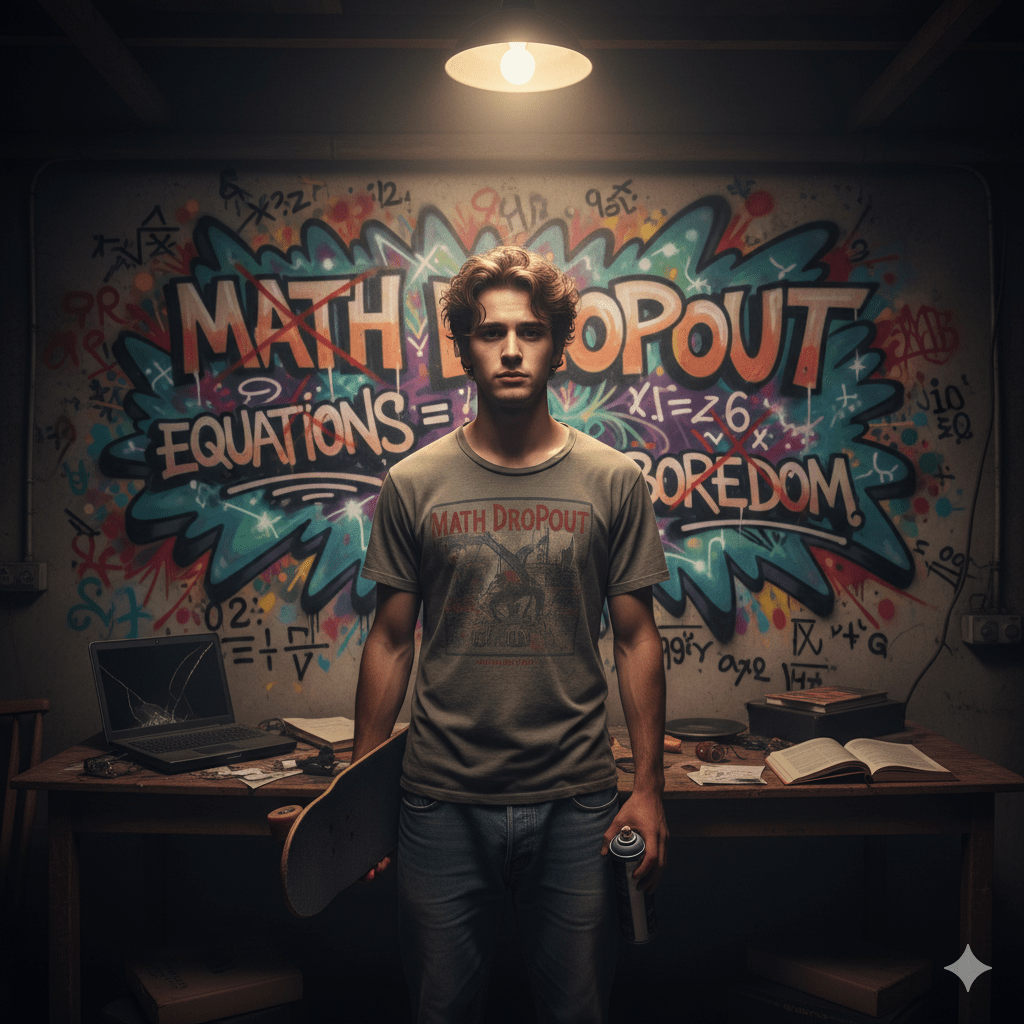
For parents raising children preparing for college entrance exams, guiding their studies is always a difficult task. Most rely on their own school experiences to teach their children or, driven by anxiety, send them to prestigious cram schools. They believe that filling their children’s schedules with cram schools focused on core subjects like Korean, math, and English, plus arts and sports classes, is the best investment for their future. Suddenly, I recalled hearing that a classmate who ranked first in middle school had become a famous math instructor, so I searched for his videos. He introduced himself as the ‘Real Killer Master,’ meaning a master at solving the notoriously difficult ‘killer problems’ on the CSAT. While the name felt a bit awkward, his explanation that “killer problems combine multiple concepts, so the ability to connect them is crucial” was very persuasive. His point that students must organize their own ‘tools’ to solve problems resonated deeply.
Last summer vacation, I took a big risk for my eldest son, who struggled with math, the most crucial subject: I pulled him out of tutoring. Barely calming my wife’s worries about how we could let a child who didn’t study skip tutoring, I gave him two principles: **‘No advanced learning’** and **‘Repeat from the basics’**. While others were already tackling high school material, I had my son start over with quadratic equations from his second-year middle school curriculum. “Isn’t this too easy?” he complained, his pride hurt. Yet he kept making mistakes even on simple problems. Only then did he grasp the importance of fundamentals and concepts, immersing himself in repetitive learning. Watching a cram school teacher solve problems isn’t studying—it’s just an illusion. True mastery comes from solving problems yourself, even if it takes time. Alongside studying, I had my child write a blog. I trained them to read books, summarize them, and organize their thoughts. Though embarrassed at first, seeing my edits and encouraging comments, they gradually developed writing structure and literacy skills. We set our sights on a foreign language high school. I believed that if they demonstrated English proficiency, international experience, and above all, a steadily improving ‘upward trajectory’ in grades by the end of 9th grade, the admissions officers would recognize their sincerity.
During exam periods, I emphasized the ‘miracle of 30 minutes in the morning’. I had them wake up early to review memorization subjects with a clear mind and prepared a hearty breakfast to ensure optimal condition. To boost focus, I shared stories of MLB players maintaining unusual superstitions, helping him sustain just the right amount of tension. On the first day of midterms, when he was discouraged by a difficult English exam, I encouraged him, “The harder the questions, the more it favors those with real ability,” steering his focus to the next test. Then, on the second day, I received a KakaoTalk message: he’d achieved his highest average score ever. I could picture his face, beaming with joy. Back home, the child confessed, “When the academy teacher solved problems, I only understood them momentarily and forgot quickly, but solving them myself through struggle made the memory vivid.” They also mentioned that blogging had cultivated the patience to read Korean passages all the way through. Watching my wife and second child proudly boast about their older sibling’s grades as if they were their own, I felt deep gratitude. I recall my own senior year in high school, when I tutored by a senior who had passed Seoul National University’s medical school entrance exam. I once flustered him by asking, “But I’m the one solving the problems—what exactly are you helping me with?” Ultimately, I solved all the university entrance exam math problems by repeatedly working through past exam questions. Seeing that miraculous moment recreated for my son fills me with overwhelming emotion.
The ‘catch-up economy strategy and winner-take-all structure’ mentioned by former Deputy Prime Minister Kim Dong-yeon is directly reflected in our school environment. It’s a scene of fierce, cutthroat competition where friends become enemies, all racing toward the single finish line of a prestigious university. Behind this lies the anxiety of parents. The tragic news of a high school student from a nearby apartment complex weighs heavily on my heart. Thinking of the loneliness and misery that child must have felt in their final moments makes my heart ache. Amidst this tragic reality, I wake again today at 4:30 a.m. I am grateful to be able to start this day, and to be able to deliver precious happiness to someone. Though the rough waves of final exams are crashing in, I earnestly hope our children will first realize how noble and happy they are, rather than fixating on the cold numbers of test scores.


 택배기사핸디맨 블로그
동건님에게 덧글 달기 응답 취소