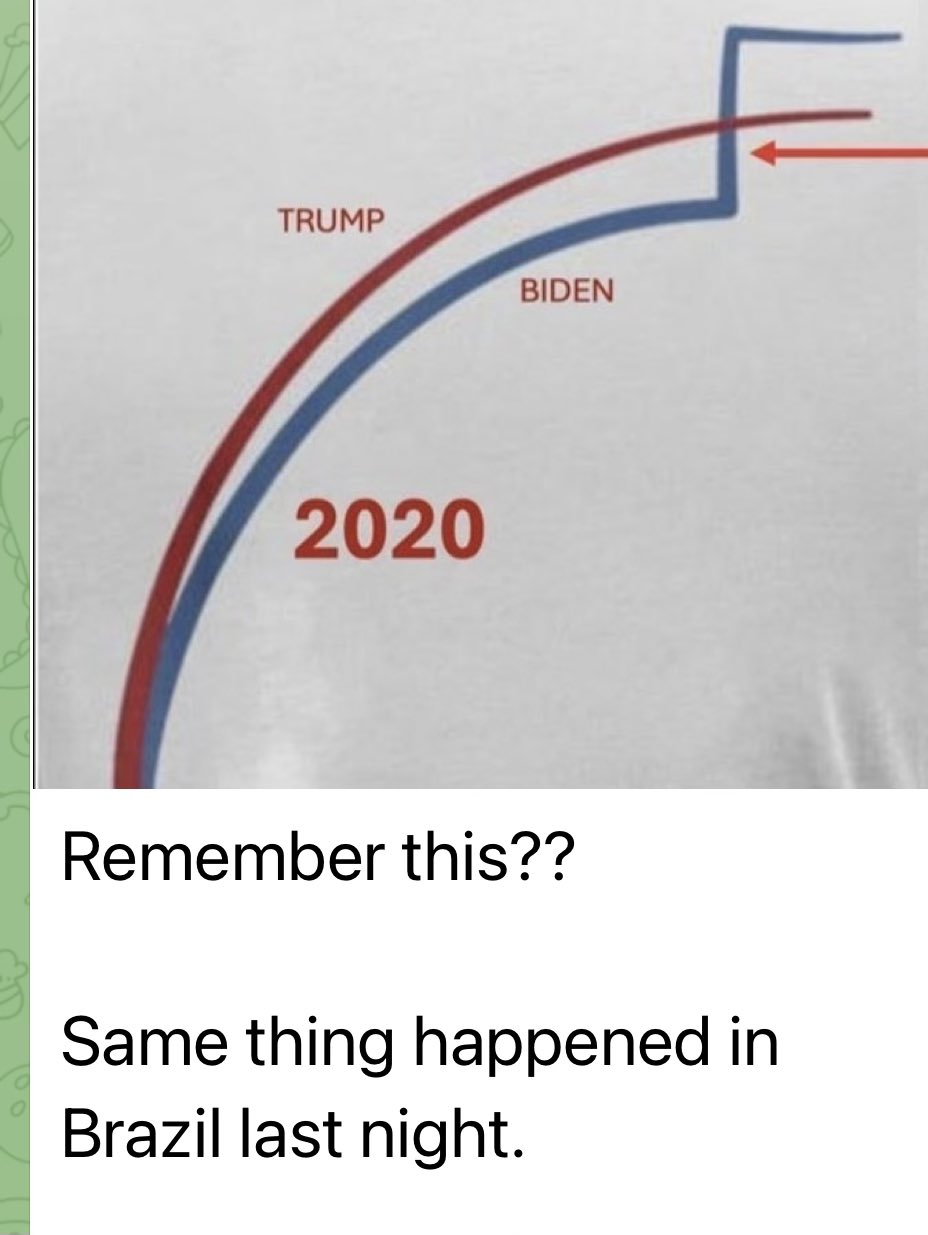
The Brazilian presidential election took place on October 25, and the result was Lula’s shocking fourth-term victory. Claims have been made that this was linked to a court decision that suddenly extended the vote-counting period by two hours; during that time, Lula’s vote total—which had been trailing—increased by millions. It also gave the impression of resembling the typical tactics used in allegations of electoral fraud involving mail-in voting, which were raised during the 2020 U.S. presidential election. There were claims that a phenomenon known as the “Biden spike” was similar to what occurred during Lula’s vote count, and an abnormally sudden surge in votes toward the end was observed. Furthermore, some speculated that this time, the issue was not mail-in voting but rather computer manipulation.
Candidate Flávio Bolsonaro, a former president and son of Jair Bolsonaro, was a 45-year-old politician and conservative candidate who enjoyed support from the younger generation. Hwang Kyo-ahn, leader of South Korea’s “Freedom and Innovation” Party, also publicly endorsed him, and he was viewed as a figure of hope for Brazil, which has been suffering from prolonged corruption and economic stagnation. In contrast, President Lula has faced criticism as a radical left-wing politician whose populist policies have plunged the Brazilian economy into crisis.
It occurred to me that this might be linked to the allegations of election fraud that had occurred in South Korea, and in that regard, the Brazilian election results drew global attention. I became curious about how the United States and neighboring countries would react to the outcome of this election. Although there were reports that the Supreme Court was already reviewing the possibility of invalidating the election, I prayed for the Brazilian people, wondering how many of them would stand up and oppose such injustice.


Leave a Reply