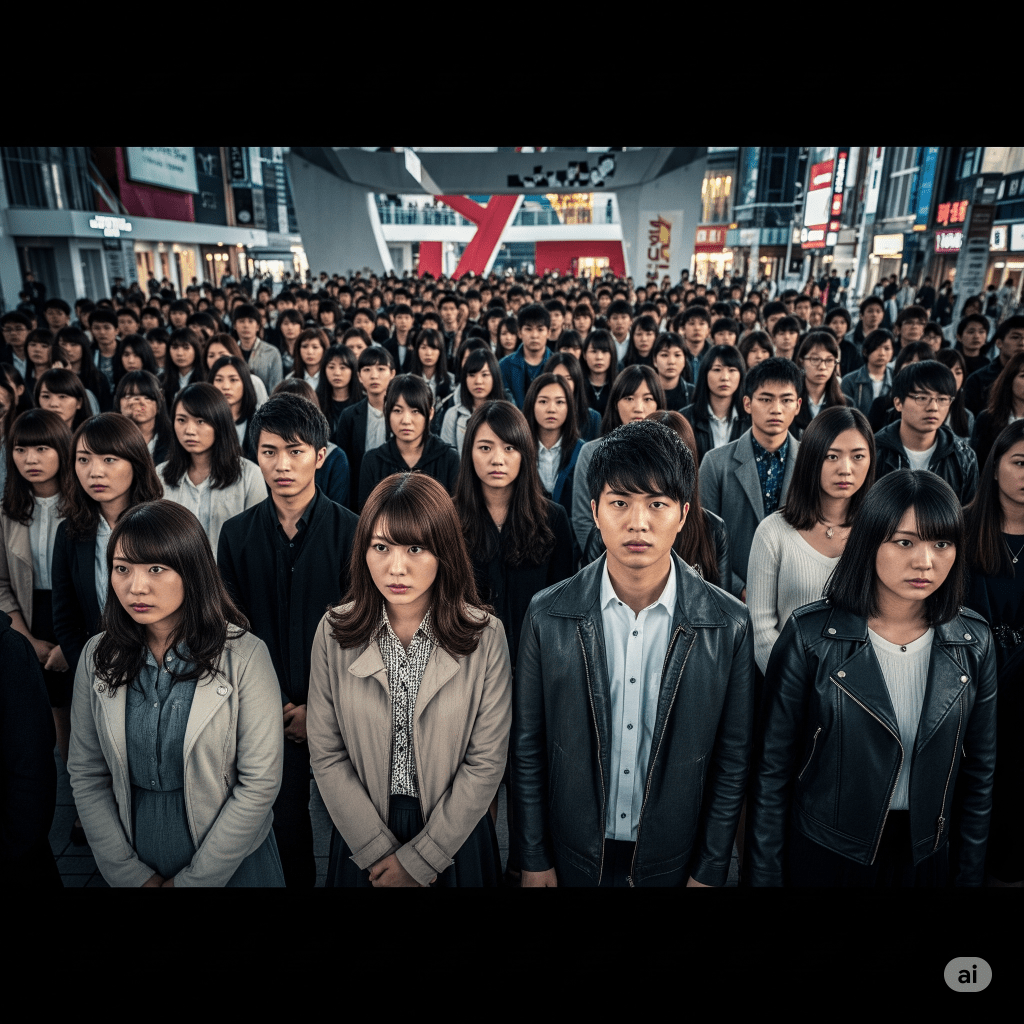
Just as you can intuitively grasp the message of a YouTube video through visual movement even when the sound is muted, sometimes the voice of the heart resonates more powerfully amid the public’s overwhelming silence. While many citizens are remaining tight-lipped about the results of the recent presidential election, the voices of civil society calling for a fair election and the U.S. International Election Monitoring Mission are more resolute than ever. In this same vein, global experts—including former Ambassador Mos Tan, who appeared on Steve Bannon’s “War Room”—have strongly criticized the National Election Commission of Korea’s lack of transparency and the structural vulnerabilities of its computer systems, emphasizing the need for thorough reform.
Fortunately, as I am aware of the limitations of information produced by mainstream media, I verify unprocessed primary information directly through global English-language news searches and alternative platforms such as X. However, it is a fact that the majority of the public, who are exposed only to fragmented news headlines, have been subjected to misinformation and subtle framing manipulations. For example, the behavior of certain journalists—who, during the last U.S. presidential election, persistently reported on a specific candidate’s chances of winning right up until the very last moment, or who distorted the nature of large-scale domestic rallies to suit their own agendas, thereby polluting the public discourse—leaves a deep sense of bitterness. The sight of the public, conditioned by this distorted information environment, brings to mind a precarious scene: a flock of thirsty seagulls gathering to drink water, unaware that they are standing right in front of a pipe spewing sewage.
Meanwhile, the newly inaugurated government is raising concerns that it may be undermining judicial independence by adjusting the schedules of key trials linked to its members, as well as through discussions on expanding the number of Supreme Court justices and appointments to key judicial positions and the Constitutional Court. Politically, the government is exerting intense pressure by mobilizing the administrative power of investigative agencies to launch an investigation into election law violations by the camp of candidate Kim Moon-soo—who recorded a significant 42% approval rating during the presidential campaign—and by initiating an investigation into Representative Hwang Kyo-ahn, who had strongly advocated for system verification throughout the election period. However, controversies over fairness are inevitable, given that strict standards are not being applied to disputes over the veracity of statements regarding the president-elect’s past conduct or to allegations of spreading false information internationally—specifically regarding a declaration of support by a global investment expert during the presidential campaign.
Furthermore, the political faction that holds the majority is openly mentioning the possibility of dissolving the opposition party, thereby stifling its voice, and is facing criticism for attempting to control citizens’ voluntary discussions about election fairness by strengthening platform monitoring. In fact, a surprise raid was conducted on the Coalition Against Election Fraud (CAEF), which has been leading the campaign for fair elections. Furthermore, the National Election Commission (NEC), which holds full authority over election administration, is consistently responding to the barrage of demands for administrative scrutiny from across the country with silence and defensiveness—rather than conducting a thorough investigation—just as it previously dismissed legitimate citizen complaints regarding ballots at early voting stations in certain regions as a “hoax.”
There are also growing concerns regarding economic and health policies. Experts continue to warn that the new administration’s move to not only astronomically increase government spending by benchmarking a South American-style populist fiscal model but also to exacerbate the national debt burden through the government-led issuance of digital assets (stablecoins) could lead to a long-term decline in the currency’s value and a national fiscal crisis. In the field of public health administration as well—as severely criticized in works such as *The Betrayal of Vaccines*, which directly addressed doubts about the effectiveness of past pandemic response policies—the appointment of a figure who spearheaded the response to the pandemic at the time as head of the Ministry of Health and Welfare has raised reasonable suspicions that the government may once again attempt to restrict citizens’ fundamental rights and freedom of expression under the pretext of public health security. The spiritual and cultural fronts are also precarious. Christian organizations, which had gathered millions of people in Gwanghwamun to pray and build a “holy bulwark” to block the enactment of a comprehensive anti-discrimination law, now stand at a critical crossroads amid shifts in the judicial branch’s orientation and legislative pressure. Furthermore, witnessing the reality that—despite a massive personal data breach at a major telecommunications network—the country has temporarily opened its borders wide to foreign powers, and that campaigns prominently featuring a specific foreign language are being waged during the election process, I am resolved to stay even more vigilant in prayer.
However, behind the superficial concentration of power lies a massive rift. The new president is not free from legal risks, such as past allegations regarding remittances to North Korea, and is assessed as failing to demonstrate the expected level of leadership on the international stage due to a lack of diplomatic communication with the White House following a hastily conducted inauguration process. Amid controversy over the delay in an official phone call with the Trump administration following the election, the Presidential Office announced the call between the two leaders through an official briefing; however, since no related records or specific messages were confirmed by the White House or key diplomatic channels, doubts arose regarding the credibility of the announcement. Many are also skeptical about the veracity of the anecdotes reported as the content of the call.
Meanwhile, international pressure is mounting on a major foreign power that has been identified as exerting behind-the-scenes influence on domestic elections. After President Trump declared he would no longer show leniency toward a major communist nation that had violated global trade norms, he dealt a substantial blow by freezing the assets of the country’s leadership’s children—who were studying abroad at prestigious universities—and imposing financial sanctions. Furthermore, amid a rapidly shifting international security landscape—marked by the sudden death of a top-ranking official from that country, the collapse of its military leadership following airstrikes in the Middle East, and riots in major U.S. cities on the West Coast suspected to have been orchestrated from behind the scenes—evidence verifying the fairness of the June 3 election continues to spread among the public through the dedicated efforts of Representative Hwang Kyo-ahn and the Deputy Defense Committee.
While watching the live report on the 250th anniversary celebration of the U.S. military, I once again reflected on the absolute sovereignty of the Creator, who guides the wheel of history and both establishes and removes national leaders. Seeing how leaders who place a righteous confession of faith and constitutional values at the forefront ultimately stand at the center of history, I realize where all sovereignty truly lies. Some leaders, upon ascending to the highest office, use their authority to restore broken laws and order, bringing the nation back onto the right track; others, even after stepping down from office, continue to inspire genuine respect from the people, keeping their spirit and vision alive.
While President Trump is gaining the upper hand in the war against the invisible globalist cartel through his global tariff strategy, South Korea, too, is navigating the midst of upheaval. Although a leader who stood on the front lines of national security is facing the political upheaval of impeachment, and a key security official is expressing his heartfelt regrets through letters from prison, the spirit of “Yoon Again”—a call for freedom and justice—and the demand for electoral transparency are spreading like wildfire, led by Representative Hwang Kyo-ahn and the young people of the Freedom University.
Although South Korea’s political landscape may superficially appear to be marked by extreme polarization, with freedom and order seemingly under control, countless patriotic citizens are gathering in public squares on weekends, champions of liberal democracy are rallying at their workplaces and in the business world, and true Christians are uniting within vibrant church communities—gradually raising a mighty “voice of silence.”
I, too, went to Gwanghwamun Square to witness this reality firsthand, and there I met Colonel John Mills of the U.S. International Election Monitoring Team and shared a deep sense of solidarity with him. In my daily life, I actively promoted voter turnout by displaying messages encouraging same-day voting on the delivery truck I drive, and I was deeply grateful to serve a vibrant church community that prays with tears for the nation and sings the national anthem. Even today, I rise early in the morning, just like the “Tribe of Issachar” in the Old Testament, to accurately assess the broader international landscape, and I stand firm in my opposition to unreasonable legal provisions that seek to destroy our families and our faith. And in the place where I have been called to live, I focus on the daily “archery” (business) and the writing I can contribute, starting each day full of hope and with vigor.


Leave a Reply