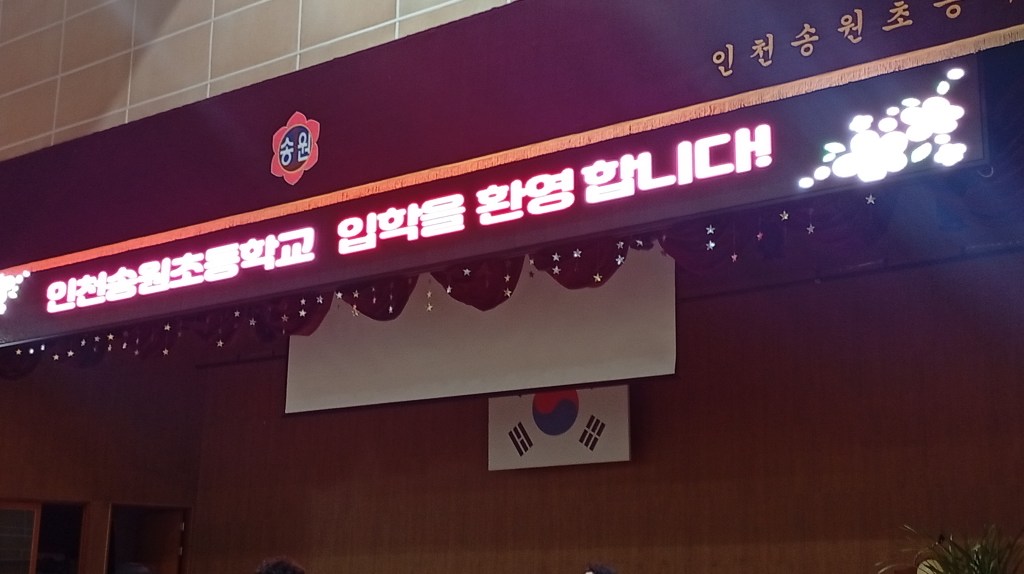
After months of intense discussions with my wife about where to send our youngest child—debating between a public school and an international school—we ultimately chose a public school in Songdo, Incheon. Sitting in the school auditorium for the first time in a long while to observe the entrance ceremony and parent orientation, I was flooded with that peculiar sense of excitement and faint memories I had felt during the entrance ceremonies for my eldest and second child. The ceremony began with the national salute and the singing of the national anthem, and the educational setting—which conveyed its message through a sophisticated animated video—made me realize just how much South Korea’s public education has changed and become more refined.
In truth, my anxiety about public education did not stem from a lack of trust in the excellent, experienced teachers on the ground. Rather, it was rooted in a fundamental concern that the rigid formalities of the Board of Education or an educational agenda skewed toward specific ideologies might seep into my children’s minds. Especially from the perspective of someone raising a child while upholding Christian values, I was genuinely worried that content instilled under the guise of “equality” or “peace” might shake my child’s values.
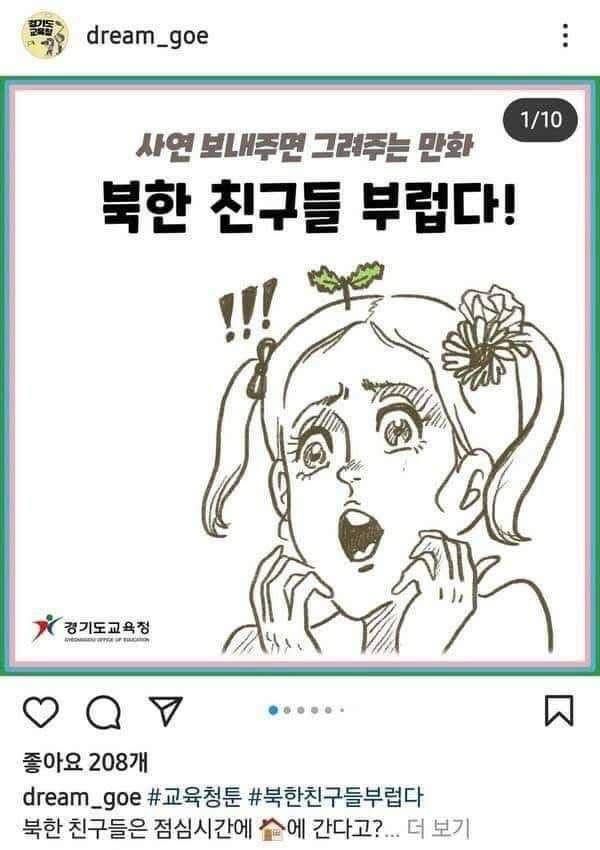
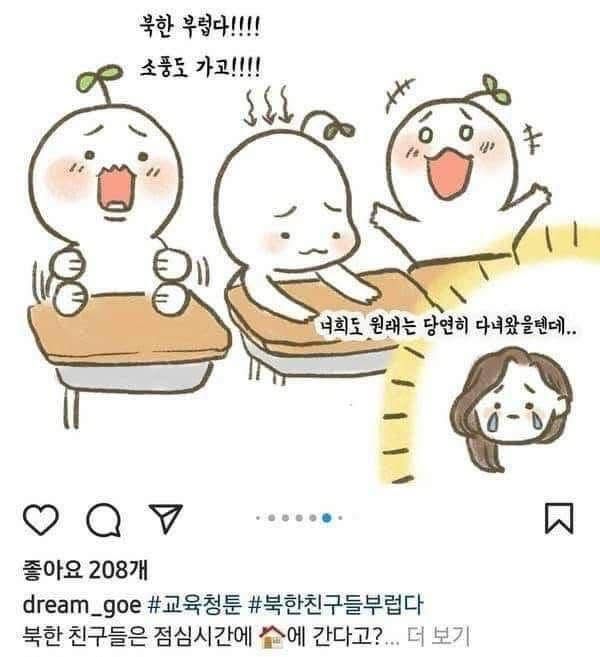
In fact, considering past controversies such as the Gyeonggi Provincial Office of Education’s webtoon glorifying North Korea, or the progressive “peace and coexistence education” policy currently championed by Incheon Superintendent Do Seong-hoon, it is difficult for parents to let their guard down. Furthermore, since Principal Lee Jeong-taek of Songwon Elementary School—where my youngest child is now enrolled—is a former school superintendent who laid the groundwork for this peace education, I have given deep thought to the possibility that the school’s educational direction might clash with our family’s values. Looking back, I later realized that even during my older children’s time in 2015—under the administration of the progressive Superintendent Lee Cheong-yeon—the school environment remained stable precisely because we had Principal Lee Yong-gil, who held conservative and traditional educational views.

However, the character of the faculty members I met in person at the entrance ceremony exceeded my expectations. When the vice principal pointed out important guidelines drawn from her own experience, I felt a warmth reminiscent of a kind-hearted grandmother next door, and I gained confidence that the homeroom teacher would also guide the children with warmth and care. I was also somewhat relieved to learn that the ideological and gender education I had been worried about wouldn’t be addressed until the 3rd or 4th grade.
On the way home after the tour, when my wife tried to speak to our youngest in English, he suddenly burst into tears. I was a little surprised by his reaction: “I don’t want to speak English like a baby.” Although he grew up hearing English from his older brothers and at preschool, I felt a pang of sadness, wondering if the pressure to do well in the unfamiliar environment of school had actually manifested as shyness and a sense of emotional insecurity.
In the end, my wife and I agreed that we should first focus on helping our child master their native language, Korean, and build a strong emotional foundation. We decided to put our plans to transfer him to an international school on hold for the time being. I am once again keenly aware that the most important role of parents is not to rely solely on the school’s education, but to teach proper history based on Christian values at home and establish a Bible-centered framework. Holding onto this commitment to protect my child’s heart, I begin another energetic day amidst the quiet of 5 a.m.


Leave a Reply