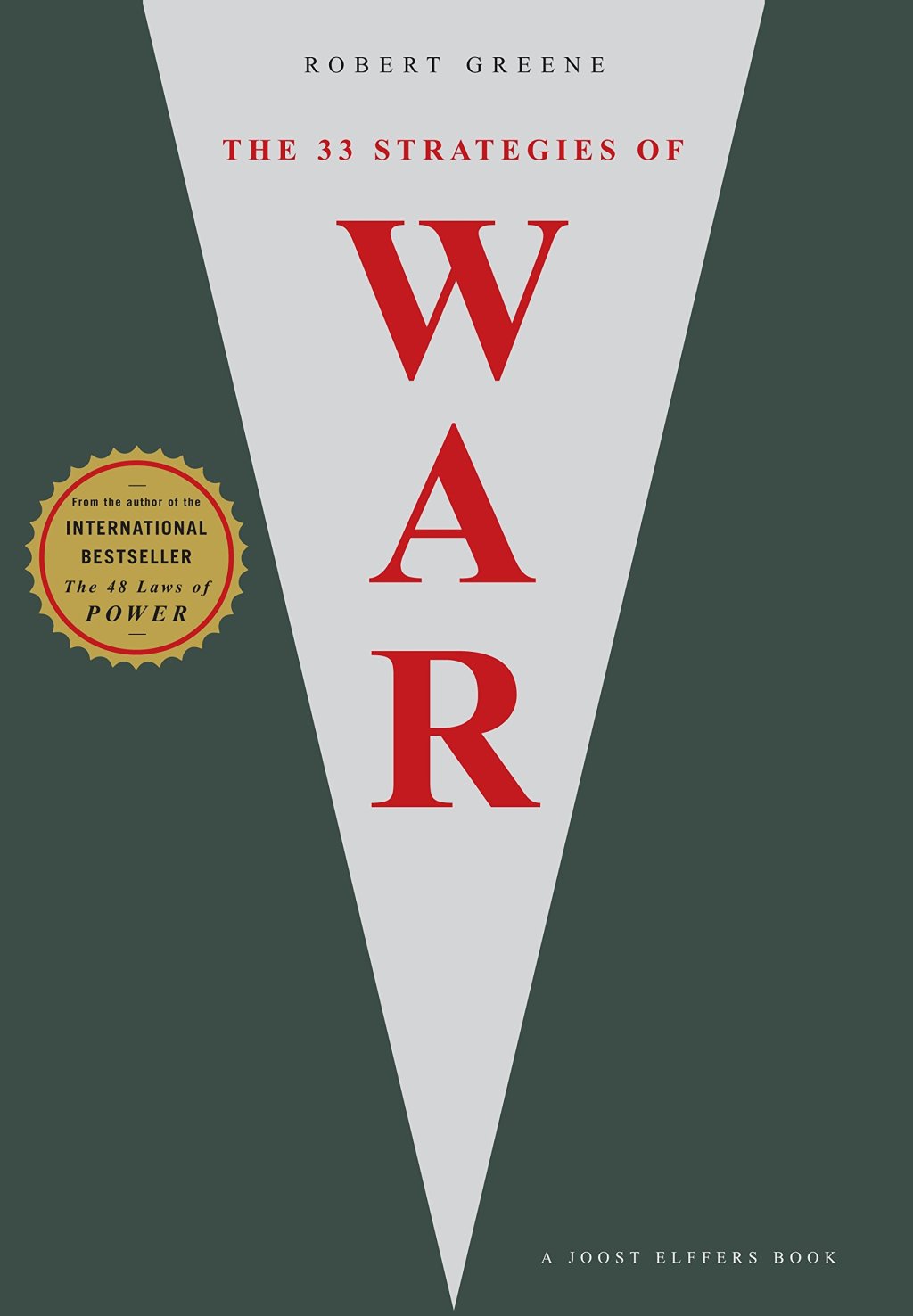
During my time in the KATUSA military, I was reading *The Art of War* in my tent while participating in an FTX (Field Training Exercise). I remember that an American officer in my company seemed surprised to see me, a KATUSA enlisted soldier, reading a tactical manual, and mentioned it to a fellow officer. I don’t remember exactly why I was reading that book, but anyone undergoing military training would have been familiar with *The Art of War*, so I suppose I must have seemed unusual to that officer. I don’t remember every detail of *The Art of War*, but as I entered the workforce and worked in sales, the concepts applicable to situations resembling small-scale battles proved to be a great help. I even wondered if it was perhaps the power of that book that enables me to handle my current position.
The book *The Art of War* similarly explained the justifications for war, attack and defense, and even psychological warfare. It was a record of countless wars and battles throughout history, as well as the great generals and strategists who participated in them. There were many fascinating examples—not only famous figures like Emperor Napoleon of France, General Rommel of Germany, and the Japanese swordsman Musashi, but also the unsung heroes of small-scale battles and the “war of words” waged by politicians. Perhaps we, living in 2026, simply don’t realize it, but looking back after time has passed, we may find that we are currently engaged in countless wars—such as the U.S.-China trade war, the Russia-Ukraine war, and the hybrid war against the electoral fraud cartel.
Among the various techniques of warfare, when I read about how Genghis Khan would train his men through regular hunting exercises—surrounding and isolating prey to break its spirit—the English phrase “Divide and Conquer” came to mind. No matter how formidable the enemy, the strategy of dividing them to defeat them one by one is a self-evident tactic, yet it resonated deeply with me. It was akin to the principle that even the most complex problem becomes manageable when broken down into smaller parts. Furthermore, General Hannibal of Carthage—who led an elephant corps across the rugged Alps to attack Rome in a manner the enemy never anticipated, despite suffering heavy casualties—must have been a source of immense fear for the Roman citizens. Although not mentioned in this book, it also reminded me of the Incheon Landing Operation (Operation Chromite) during the Korean War, which succeeded against odds of one in 5,000. Thanks to the decisive roles played by General MacArthur, Major Ham Myeong-su of the Naval Intelligence Service, and the members of the Korea Liaison Office (KLO) guerrilla unit who risked their lives to recapture the Palmi Island Lighthouse in Incheon, a fleet of 261 ships was able to land off the coast of Incheon, marking a dramatic event that turned the tide of the Korean War.
On the other hand, while this book contained various pieces of advice applicable even to the realities of life—such as war—I found it somewhat regrettable that it viewed everything solely through the lens of war, presenting a worldview that humans are inevitably destined to live in constant conflict with one another and even suggesting that peace is part of war. This is because the world began in the Garden of Eden, a place of perfect peace, but that peace was shattered due to the fall caused by human sin. Furthermore, war can ultimately be viewed as a conflict between forces seeking to strip humans of their freedom on one side, and the resistance of citizens striving to defend that freedom on the other; this conflict continues ceaselessly even within liberal democratic nations. This is something that can only be understood by viewing the world from a perspective that transcends state-centric thinking, and it can be observed through the hidden communist forces within liberal democratic nations and the citizens resisting to protect individual freedom within communist states.
Ultimately, I wanted to convey to the author that, just as David confessed in his battle against Goliath, the outcome of a battle rests in God’s hands, not in the art of warfare. Therefore, seeking God’s help in the great and small battles of life that I must fight from my own position, I rose at 5 a.m. today to begin my day with morning prayer.
“And I will let this whole assembly know that the Lord does not save by sword or spear. For the battle is the Lord’s, and He will hand you over to us.” (1 Samuel 17:47)
 Deliveryman's Blog
Leave a comment