Although I’d watched videos by many YouTubers claiming that long-term investment in U.S. stocks is the right approach, I didn’t really understand why. After subscribing to author Lee Ji-sung’s channel, watching his investment lectures, and joining a group chat—exclusively for paid members—where I could observe and learn the secrets of investment experts, I realized anew that, aside from the fact that many of the world’s top companies are based in the U.S., the global economy revolves around the U.S. However, after witnessing the worst stock market crash in history last July, I realized that investing in the South Korean stock market is risky.
In particular, this crisis was so abnormal that it raised suspicions that various forces were coordinating their moves as part of a larger scheme; the repeated cycles of sharp surges and crashes were reminiscent of the cryptocurrency market. It was effectively the same as robbing the middle class of their wealth: the government regulated real estate, imposed punitive taxes on multi-homeowners to force them to sell, channeled their investment funds into the stock market, and then, within a month, caused the market—which had been overheated by leveraged investing—to crash by 34%. Moreover, I was left speechless by the situation where even inverse investors—who had bet on a decline—suffered massive losses due to the sharp surge on July 31.
Fortunately, I managed to weather the storm in the stock market, but I worried about the many people who, out of ignorance, blindly trusted government policies and the news and followed the crowd like moths to a flame. It was truly heartbreaking to think of the many parents who had fallen into poverty in old age through similar processes in the past, and it struck me as odd that people in their forties still haven’t woken up, even as this pattern continues to repeat itself. Looking around me, I saw brothers and sisters who, in the face of this crisis, were stubbornly clinging to outdated paradigms, and though I wanted to help them, I knew they wouldn’t listen. This was because, for so long, biased history education, the media, and even distorted religion had been eroding South Korea’s freedom, yet everyone remained indifferent. Or, as Pastor Tim Keller pointed out, it seemed as though many people in South Korea had fallen into collective idolatry—like pitiful slaves living with their eyes, ears, and mouths covered.
Some citizens who had been feeling good about the rising market value of their condos in Seoul are now crying after being hit with a tax bomb, a department head at a major corporation, who had entered the domestic stock market following the surge in large semiconductor stocks only to suffer massive losses, was weeping in the company hallway; and a “goose dad”—a father who pours half his income into sending his children to international schools—was on the brink of divorce. Yet, it seemed as though they were all turning a blind eye to the tidal wave of change sweeping through South Korea like a typhoon.
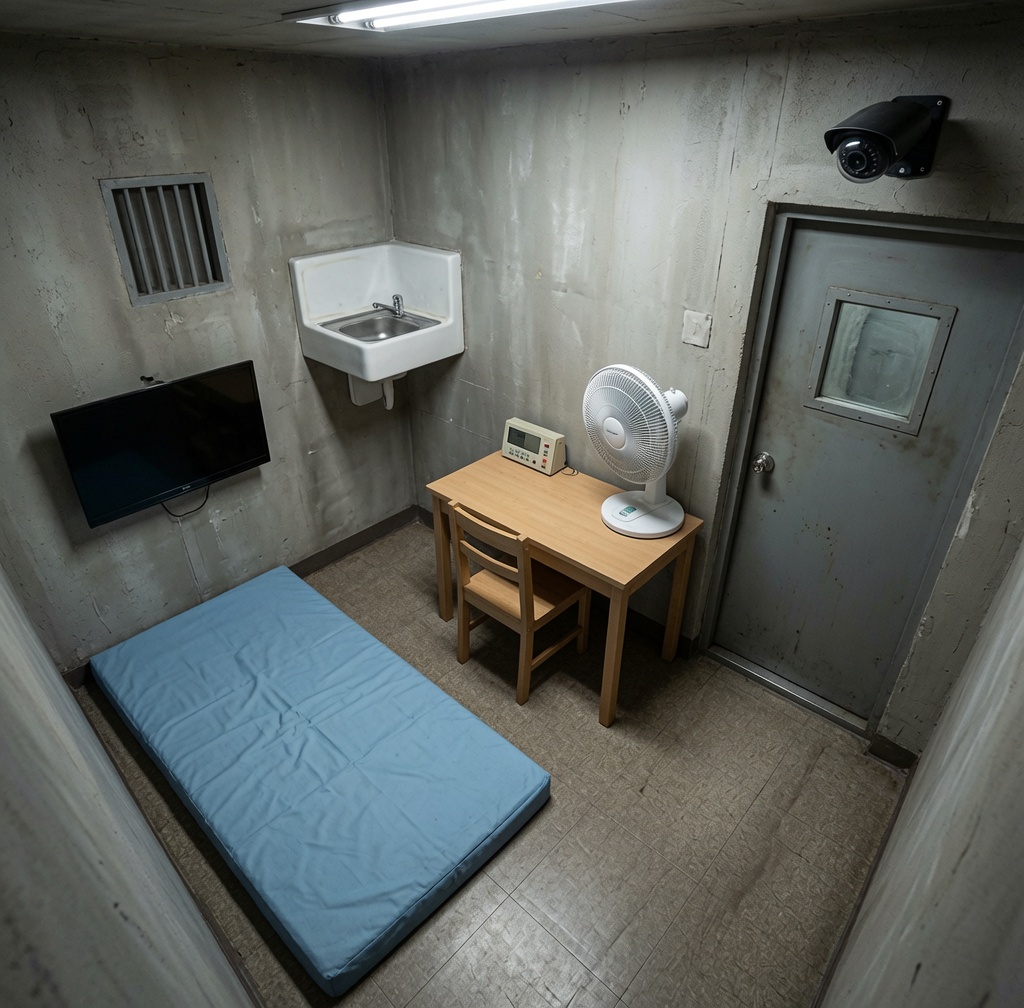
Ironically, however, I found myself laughing when I thought of President Yoon Suk-yeol, enduring all of this alone in his 1.8-pyeong solitary cell. It was just like the laughter that burst out of me one afternoon while watching the sunset over the Incheon Bridge after working as a delivery driver for over a year. I believe that God is fully aware of this entire process and has prepared 7,000 righteous people who have not bowed their knees to Baal. Realizing that their time is almost upon us, I woke up early this morning, prepared a special breakfast for my youngest son, enjoyed a delicious meal, and started the day with energy as I wrote this blog post.


Leave a Reply