One of the most memorable scenes in the movie *The Odyssey* was, of course, the Trojan Horse. Odysseus and his men were hiding inside the massive wooden horse, which was half-buried in the sand on the beach, and the extreme circumstances—with some of them drowning while they held out inside for several days—added to the film’s tension. Eventually, the city gates opened and Troy fell. Amid the horrific scene of soldiers setting the city ablaze and slaughtering its people, the protagonist, Odysseus, sat on the steps of a temple with a dazed expression, overcome with regret.
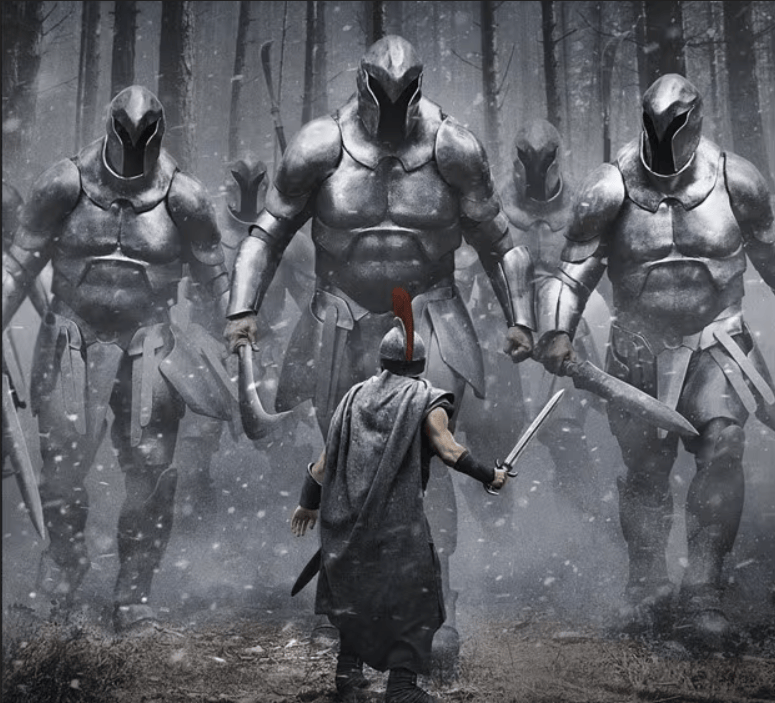
On his journey home as the hero who led the war to victory, he was cast adrift by a storm; his men were devoured by the one-eyed giant Cyclops; he was killed by giants; his men were turned into pigs by a witch’s curse; barely resisted the Sirens’ temptation, and lost his men to a sea monster—overcoming countless crises before finally returning home to rescue his wife and son.
Many suitors, believing Odysseus to be dead, had entered the palace and were causing chaos with daily drinking binges; as punishment, they were ultimately killed by Odysseus himself. The scene where he draws the bowstring—which no one else could pull—and shoots them down one by one was a particularly vivid highlight. Among these scenes, the moment when Odysseus, executing a traitor, coldly utters, “When you go to the underworld, be sure to pass this message on to my men,” was brief yet provided a powerful sense of catharsis. It was a moment when the retribution for years of hardship and betrayal was encapsulated in a single sentence.
While watching this film, I appreciated how the director crafted the narrative to constantly make the audience ponder Odysseus’s choices and decisions from his perspective. Whenever his mistakes led to the deaths of his men or put him in danger, I naturally found myself empathizing with him and seeing things from his point of view. The question, “What would I have done if I were Odysseus?” never left my mind throughout the film.
Of course, since *The Odyssey* is a tale blending historical records and imagination, it isn’t a true story; however, given that the worldview underlying this novel is rooted in the myths of Greek pagan gods, there were quite a few elements that felt uncomfortable from a Christian perspective. Nevertheless, amid the extreme circumstances of war, the conflict between national orders and personal convictions, the distinction between truth and falsehood, and the portrayal of human courage and love for family were deeply moving.
I was particularly struck by the scene where the ruthless commander-in-chief Agamemnon converses with Odysseus in the underworld. Although he was the hero who led the Trojan War to victory, upon returning home, he met a tragic end—murdered by his wife, Clytemnestra, as punishment for his sins. In the end, neither his power nor his military achievements could save him. This scene strangely echoed a biblical account in which, through King Hezekiah’s prayer, an angel defeated the vast army of 185,000 men led by King Sennacherib of Assyria in a single night, and King Sennacherib was ultimately killed by his own sons. The history of human betrayal continued even in 2026, and it was a time to once again reflect on the fact that before God, all are sinners—whether those in power or those who have achieved great feats in war.


Leave a Reply