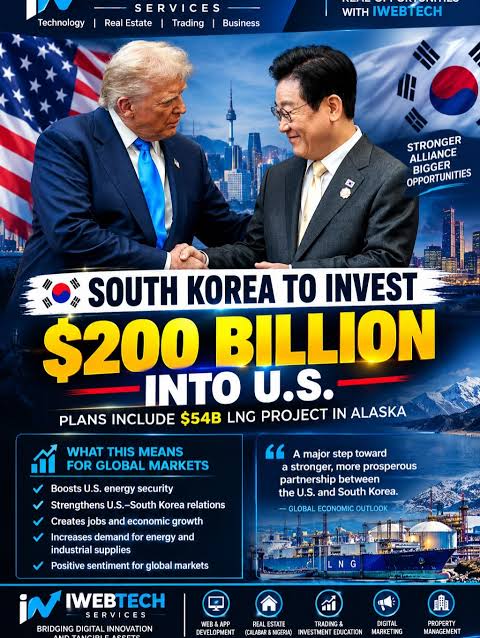
Through the White House’s official social media channels, President Trump announced that, following negotiations with South Korea, the country would invest up to $200 billion (approximately 270 trillion won) in the U.S. energy sector. The investments will target a gas-fired power plant in Texas, a large-scale nuclear power plant, and an LNG project in Alaska. Viewed in the context of the tariff and trade negotiations with the U.S. that have been ongoing since early this year, this was ultimately a decision to further increase investment in the U.S. Upon seeing this news, I got the impression that the current administration had not made a strategic investment decision through consultations with U.S. trade representatives, but had once again been drawn into President Trump’s “art of the deal.”
I worried that the president—who is often seen as a figurehead on the diplomatic stage and barely understands English—might simply say “Yes, Yes” in front of a hundreds-page English contract presented by the other side, hastily commit to the investment, and then shift all the responsibility onto domestic companies. Since it had not been long since the president had promised investment in the U.S. during a meeting with President Trump at the White House a few months ago, I could not help but view this latest agreement with skepticism.
However, given the White House’s massive publicity campaign, it seemed like something I couldn’t just brush off. I wondered which company would actually agree to such an investment and how the public was reacting to this news. Perhaps, like Hyundai Motor Group or Korea Zinc—which quickly assessed the practical benefits of investing in the U.S. and announced plans to build local factories—another company had promised to establish an LNG-related business in Alaska. Or maybe, despite expressing reluctance at the government’s sudden request, they felt compelled to invest out of concern for their chairman’s well-being. That thought crossed my mind. At that moment, the faces of a few major conglomerate leaders who had recently accompanied the President on his visit to Mexico came to mind.
As an ordinary citizen, I have no way of knowing the truth hidden behind the news, but judging from the various events that have unfolded over the past year, it seemed that companies would look out for themselves while expanding business with the U.S. and attracting American investment. On the surface, it appeared that trade had been established as a result of Trump’s “arm-twisting” diplomacy toward individual countries, but looking beneath the surface, it seemed he was cutting off the funding sources of American globalists, using tariff negotiations to recoup U.S. dollars that had been funneled overseas and channel them back into the U.S. government’s budget—only to reinvest them or use them to rebuild America’s crumbling walls. For example, one such measure was Trump’s recent pledge to pay a “Trump dividend” of $5,000 per adult if the Republicans win the midterm elections.
In South Korea as well, on the surface, communists may have taken control of the Blue House and various government agencies in an attempt to siphon off the government budget overseas or conceal it through left-wing companies; however, I have heard reports that the U.S. government is already freezing the funds of left-wing politicians and judges who have been bought off, and even seizing their cryptocurrency. Furthermore, as the truth about certain South Korean companies that have been exporting election fraud worldwide has been fully exposed, I believe they are effectively out of business.
All that remains now are some citizens who remain ignorant of international affairs and continue to watch false, inflammatory films like The Assassin(s); fake pastors who teach false doctrines; and, finally, the fake president and the communists who will bear full responsibility for all this and stand before an international military tribunal. Down with communism!


Leave a Reply