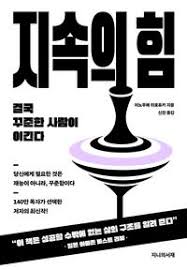
The book explained the secret behind how a Japanese dentist in his 60s was able to travel across the country giving lectures, take up boxing and the cello as hobbies, and publish over 90 books. Typically, self-help books feature stories of self-made individuals, serial entrepreneurs who founded and successfully sold companies, or executives who built their careers by changing jobs multiple times. However, the fact that the author of this book is a dentist in a rural Japanese village gave the story a relatable quality that kept me reading until the end. This is because self-help books often emphasize habits that seem insurmountable or superhuman from the perspective of ordinary office workers or small business owners. It’s similar to telling a beginner runner who has just started running how to complete a full marathon.
However, the author of this book describes his journey to becoming a dentist in a relatively down-to-earth and relatable way. He explains how he continues to learn and master new techniques and medical equipment even after becoming a dentist, emphasizing the importance of a mindset committed to lifelong learning. He also candidly discusses workplace benefits and work ethic from the perspective of his dental staff, aiming to create a workplace where they want to work for the rest of their lives. In particular, the passage where he treats implant surgery as an art form clearly reveals the author’s attitude of elevating meticulous craftsmanship and concentration to a realm of beauty. Moreover, his approach—considering the perspective of patients undergoing surgery to earn their trust, and even writing with the intention of inspiring change in his readers—serves as a true model to follow.
The author calmly notes that this seriousness toward his work has resonated with his patients. Reading about how he has earned such trust and a reputation that patients are willing to fly in from far away, I found myself reflecting on how seriously I have approached my own work. The same attitude is evident in his hobbies as well. The reason he learns boxing from top-tier instructors is because of his approach to life—he doesn’t take even his hobbies lightly. I could relate to the idea of learning running, my own hobby, directly from a marathon runner, and I wondered if I could go to such lengths myself.
The author personally demonstrates that consistently persevering in something instills deep trust in others, fosters a serious attitude toward life, and ultimately leads to a state of true excellence. This attitude is also evident in his description of the angle of the arm during a boxing uppercut. I felt a deep sense of respect for his thoroughness—never skipping a workout, even for a moment, to maintain his routine, and making sure to do it no matter what, even if it meant rearranging his schedule. After finishing the book, I found myself wondering if this person truly believes in God. I thought that if he does have faith, he must be someone who puts the Word into practice in his daily life. I felt that having someone like this in Japan is a great asset to both society and the nation, and I resolved to devote myself even more consistently to exercise, writing, my company work, my personal business, and investments as I look toward my 60th birthday.


Leave a Reply