On the morning of the presidential by-election, with a heart full of earnest hope for the nation’s future, I woke up much earlier than usual and arrived at the polling station before 6:00 a.m. Despite the early hour, seeing the long line of citizens already waiting to exercise their precious right to vote, I was overcome with a profound sense of responsibility. To ensure my precious vote was fully protected from the structural vulnerabilities in the identity verification process—which had been raised during early voting—and from concerns about identity theft, I brought my personal seal with me this time and went through the identity verification process thoroughly. After successfully casting my vote, I found that few restaurants were open so early in the morning, but fortunately, a nearby restaurant serving warm sundae soup was open, so I happily enjoyed breakfast there.
This presidential election was held amid intense public interest, with voter turnout on election day reaching an all-time high, and the countless people gathered in the square must have cast their ballots with their own convictions and hopes in mind. Some may have voted while viewing the recent political upheaval as a grave constitutional crisis, while others may have hoped for a better future for South Korea through a candidate who championed justice and truth. However, from a macro perspective, this election went beyond a simple change of power between the ruling and opposition parties or competition between candidates; it was a massive systemic crossroads to safeguard our constitutional identity and vision for national security.
Civil society, independent media, and academic experts identified, in real time, statistically implausible circumstances and systemic irregularities across the entire election administration system—from the early voting period through Election Day. Unnatural data flows during the vote-counting process on Election Day, as well as potential security vulnerabilities arising from the transport of out-of-district early voting ballot boxes via post offices, were frequent subjects of analysis by experts committed to ensuring electoral fairness. Circumstantial evidence requiring thorough verification—such as private vehicles being spotted near ballot boxes during transport alongside local government election vehicles—was continuously presented. Furthermore, citizens maintained close scrutiny over how transparently the lessons learned from past candidate unification phases had been reflected in this election’s administrative process, including controversies surrounding the administrative gap between the timing of a candidate’s withdrawal and the method of printing ballots.
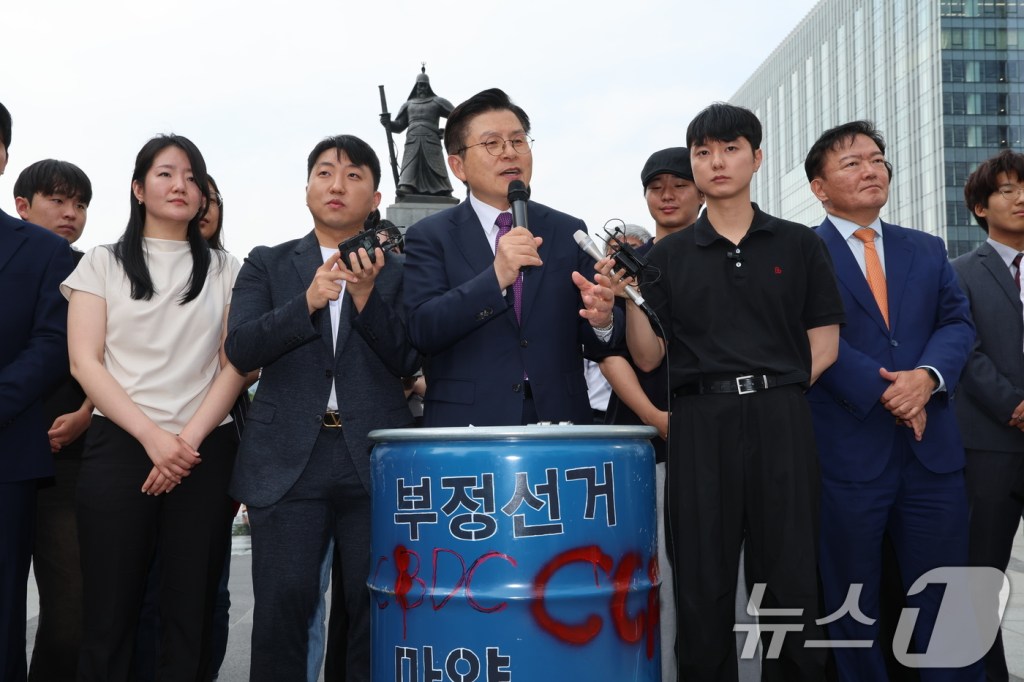
In light of these circumstances, the calls for structural reform of the election management body—raised by global election monitoring experts visiting Korea and foreign figures such as Ambassador Morse Tan, a former U.S. administration official—are by no means matters to be taken lightly. The demand for comprehensive judicial and administrative verification—across the entire system, from top officials to on-site staff and the relevant agencies responsible for logistics and transportation—to ensure there are no gaps in the security framework is entirely justified. At the same time, scathing criticism is being directed at the technology partners responsible for ensuring the transparency of the computer networks, the legal community that provides the legal framework, and the intellectuals and veteran journalists who shape public opinion—all of whom are being questioned on whether they have properly fulfilled their roles in the public sphere. This is precisely why conscientious leaders recently declared the formation of a new political alliance, issuing a satirical warning about the reality in which our society’s judicial justice and national systems are being grievously distorted.
Meanwhile, Admiral Yi Sun-sin’s *Diary of the War*, which I have been reading with deep attention recently, vividly conveys the reality of the lonely war a leader had to face amid a massive national crisis. The complex international situation and geopolitical pressures surrounding the presidential election bear a striking resemblance to a historical juncture in the past—the Imjin War, an unprecedented national crisis—during which a leader had to simultaneously discern the internal vulnerabilities of his own forces and the deceptive tactics of foreign powers. General Yi Sun-sin’s upright character, as reflected in his diary, his exceptional insight as a military leader, and his penetrating clarity in discerning even the strategic intentions of the enemy commander resonate deeply. In particular, the fact that the daily routine the general never missed—even amidst such immense upheaval—was none other than “shooting arrows” is highly significant.
In today’s South Korea, which is experiencing anti-national turmoil and a collapse of values, I find myself asking: Who is the true leader who can maintain a steady course, just as General Yi Sun-sin did? When I see politicians in positions of privilege who are consumed by their own self-interest and greed rather than the lives and livelihoods of the people, I see a cross-section of corrupt power brokers who exist across all eras. Nevertheless, I place my complete trust in God’s governance of the world, as He steers the massive wheel of history. Just as He faithfully restored the nation of Israel even amid the desperate circumstances of the Babylonian Exile, I believe He will surely revive South Korea—a precious spiritual stronghold in Asia that cherishes Christian values. Just as Admiral Yi Sun-sin silently drew his bowstring day after day, I, too, will quietly do my best in my workplace and daily life. Furthermore, like the “leaders of the tribe of Issachar” in the Bible—who discerned the times and clearly knew what was right to do—I pledge to become a watchman who, equipped with spiritual wisdom and insight, will awaken those around me.
Be sober and alert. Your enemy the devil prowls around like a roaring lion, seeking someone to devour. (1 Peter 5:8)


Leave a Reply